Introducción
Crear una lista de nacimiento puede resultar abrumador cuando estás expuesto a tanta información sobre materiales, certificaciones, telas y seguridad de los productos. Hoy en día, muchas familias prefieren evitar los productos tóxicos y priorizan la transparencia de los materiales y reducir la exposición a estos productos que estarán en contacto cercano con sus bebés.
No se trata de eliminar todos los productos del hogar ni de buscar la perfección; una lista de nacimiento con productos no tóxicos consiste en reducir exposiciones innecesarias. El enfoque está en evaluar los materiales con los que el bebé tendrá contacto directo, especialmente en productos para la alimentación, superficies para dormir, telas de la ropa y artículos para el porteo.
Si buscas un enfoque más simple para organizar tu lista, prueba la guía de lista de nacimiento minimalista de Momcozy. Si quieres conocer con más detalle qué artículos son esenciales para tu bebé, independientemente del material, también puedes consultar la lista de nacimiento 2026.
¿Qué es una lista de nacimiento con productos no tóxicos?
Una lista de nacimiento con productos no tóxicos se basa en elegir productos teniendo en cuenta de qué materiales están hechos y cuál es el nivel de exposición que probablemente tendrá el bebé, especialmente a través del contacto directo con su cuerpo. Esto implica considerar si los materiales ofrecen mayor transparencia, son adecuados para un uso prolongado y resultan apropiados para etapas sensibles del desarrollo.
No se trata de eliminar todos los riesgos ni de hacer que todo sea perfectamente seguro. Más bien, consiste en reducir exposiciones innecesarias en aquellas categorías con un alto nivel de contacto, donde la elección de los materiales es fundamental.
Muchos padres priorizan revisar los materiales en:
- Productos para la alimentación (como silicona, vidrio o acero inoxidable frente a plásticos convencionales)
- Superficies para dormir (por ejemplo, productos con telas transpirables y con menor uso de sustancias químicas)
- Telas de contacto cercano (como telas orgánicas o con certificación OEKO-TEX®)
- Porteo del bebé (por ejemplo, telas transpirables y adecuadas para el contacto con la piel)
- Productos de higiene y limpieza (por ejemplo, materiales sin bisfenol A (BPA) o productos sin fragancias añadidas)
El objetivo de una lista de nacimiento con productos no tóxicos no es alcanzar la perfección, sino contar con la información adecuada para tomar decisiones basadas en los materiales, especialmente en aquellos productos para bebés que tienen un mayor nivel de contacto.
No tóxico no significa perfecto
Una vez que los padres comienzan a investigar sobre materiales e información relacionada con la seguridad, puede aparecer la presión de crear una lista de nacimiento “perfecta” con productos no tóxicos. En realidad, un enfoque no tóxico consiste en reducir exposiciones no deseadas en las áreas más relevantes y no en intentar resolver todas las preocupaciones relacionadas con los materiales al mismo tiempo.
Resulta más práctico pensar en qué tanto se utiliza un producto y qué tan cerca está del bebé, en lugar de intentar cambiar todo lo que hay en casa.
Los principios clave incluyen:
- Prioriza los artículos con contacto frecuente con la piel, durante la alimentación o el sueño, en lugar de productos de uso poco frecuente
- Enfócate en los materiales presentes en artículos de alto contacto, como superficies para dormir, herramientas de alimentación y productos para el porteo
- Realiza cambios graduales en lugar de reemplazar categorías completas de una sola vez
- Elige productos basándote en su función real en el día a día, no solo en afirmaciones de marketing o en las etiquetas
- Evita dar demasiada importancia a etiquetas ambiguas como “limpio” o “sin químicos” si no existe transparencia sobre los materiales utilizados
Una lista de nacimiento con productos no tóxicos funciona mejor cuando se guía por el nivel de exposición y el uso práctico, y no por la perfección ni por la presión de cambiarlo todo de inmediato.

Qué buscar en productos más seguros para el bebé
Al investigar productos para una lista de nacimiento con productos no tóxicos, muchos padres prestan atención a la claridad sobre los materiales utilizados y a las certificaciones (cuando corresponda). El objetivo final no es centrarse únicamente en una etiqueta, sino comprender el producto y el uso que tendrá.
-
Algodón orgánico – utilizado en algunos productos para bebés, ropa y textiles; su cultivo evita determinados productos químicos.
-
OEKO-TEX®- certificación para textiles que evalúa la presencia de sustancias nocivas y el cumplimiento de estándares de seguridad.
-
GOTS (Global Organic Textile Standard) – estándar para productos textiles que considera tanto los materiales utilizados como los procesos de fabricación.
-
GREENGUARD Gold – certificación centrada en bajas emisiones químicas, especialmente relevante para productos utilizados en interiores, como los de la habitación del bebé.
-
Silicona de grado alimenticio – material apto para el contacto repetido con alimentos y fácil de limpiar, utilizado con frecuencia en productos de alimentación.
-
Artículos de alimentación de vidrio o acero inoxidable – suelen ser duraderos, reutilizables y fáciles de limpiar.
-
Productos de cuidado para el bebé sin fragancias –productos que no contienen perfumes sintéticos añadidos y que suelen preferirse para la piel sensible de los recién nacidos.
-
Telas lavables y fundas removibles – características prácticas que ayudan a mantener los productos limpios y prolongan su utilidad.
-
Información clara sobre materiales e instrucciones de cuidado – etiquetado claro y fácil de entender para los padres que permita conocer los materiales utilizados y las instrucciones de cuidado.
Presta atención a lo siguiente:
-
Fragancias sintéticas –las fragancias pueden estar compuestas por varios ingredientes que no se indican y, en algunos casos, pueden resultar molestas para algunos bebés.
-
Materiales de PVC o vinilo – materiales plásticos que pueden generar preocupación según el tipo de uso y el nivel de exposición.
-
BPA y ftalatos – sustancias que algunos padres prefieren evitar en productos para bebés.
-
Retardantes de llama – sustancias utilizadas en algunos materiales para que sean más seguros, y que algunos padres prefieren revisar con más detalle.
-
PFAS o tratamientos resistentes a las manchas– recubrimientos que algunas familias prefieren tener en cuenta al evaluar materiales.
-
Acabados para muebles con altas emisiones de compuestos orgánicos volátiles – materiales que pueden liberar compuestos volátiles al aire interior con el paso del tiempo.
-
Afirmaciones ambiguas como “natural” o “ecológico” sin información adicional – términos de marketing que no siempre están respaldados por estándares claros o información concreta sobre el producto.
La mejor manera de evaluar estos aspectos es revisar la información real del producto y no basarse únicamente en el material promocional.
Dónde priorizar primero los cambios hacia opciones más seguras
No todos los productos requieren el mismo nivel de atención. Las familias suelen obtener mejores resultados cuando priorizan según el nivel de exposición y la frecuencia de uso, en lugar de intentar cambiar todo al mismo tiempo.
Las áreas que suelen recibir mayor prioridad incluyen:
-
Superficies para dormir y ropa de cama – se utilizan durante muchas horas cada día, por lo que suelen ser una de las áreas que recibe mayor prioridad.
-
Productos para la alimentación – están en contacto directo con la leche o los alimentos, por lo que muchos padres prefieren evaluarlos desde etapas tempranas.
-
Ropa y telas de contacto cercano – se usan durante largos periodos y están en contacto directo con la piel del bebé.
-
Pañales, toallitas y productos para el cuidado de la piel – se aplican con frecuencia sobre piel sensible a lo largo del día.
-
Porteo y productos textiles blandos – permanecen cerca del cuerpo del bebé y suelen utilizarse durante periodos prolongados para cargarlo y desplazarse.
-
Productos de limpieza y cuidado de biberones – se usan regularmente en las rutinas de higiene y preparación de la alimentación.
-
Ubicación y uso de dispositivos electrónicos en la habitación del bebé – algunas familias priorizan esta área según cómo y dónde se usan los dispositivos dentro del espacio de descanso.
-
Artículos grandes con telas o acolchado – suelen revisarse prestando atención a los materiales y a los componentes lavables.
Los artículos que suelen utilizarse en contacto cercano normalmente se evalúan primero, ya que tienden a formar parte de la rutina diaria. Al comparar productos dentro de estas categorías, muchos padres consideran aspectos prácticos como la claridad sobre los materiales utilizados, los materiales lavables, las fundas removibles, la transpirabilidad y la facilidad de mantenimiento.
Si los padres desean revisar telas de contacto cercano, pueden consultar la información sobre materiales y cuidados disponible en la colección de cojins de lactancia, la colección de portabebés y la colección de fulares portabebés de Momcozy.
Los productos de apoyo para el posparto también suelen revisarse con atención, ya que se usan a diario y permanecen en contacto cercano con la piel. Algunos padres comparan la suavidad de la tela, la transpirabilidad y las instrucciones de lavado al evaluar productos como los de la colección de sujetadores de lactancia o de la colección de brasieres de extracción de Momcozy.
Sueño y habitación del bebé con enfoque no tóxico: qué evaluar
Una de las primeras áreas que muchos padres revisan al crear una lista de nacimiento con productos no tóxicos es el entorno de descanso del bebé. Como los recién nacidos pasan muchas horas durmiendo, muchas familias se centran en reducir exposiciones innecesarias en productos relacionados con el sueño y la habitación del bebé.
Los padres suelen priorizar:
-
Superficies para dormir, sábanas y ropa para dormir – artículos de uso frecuente que permanecen en contacto cercano y diario con la piel del bebé
-
Evitar elementos decorativos innecesarios en la cuna – almohadas decorativas, protectores y exceso de telas pueden añadir materiales innecesarios y generar más desorden en el espacio de descanso
-
Materiales lavables y transpirables – más fáciles de mantener teniendo en cuenta la higiene a largo plazo y el uso diario repetido
-
Información clara sobre materiales y certificaciones – aspecto que muchas familias evalúan al comparar textiles para la habitación del bebé, ropa de cama o productos acolchados
Algunas familias también prefieren una habitación del bebé más simple, con menos productos innecesarios, para facilitar la limpieza, la organización y el mantenimiento con el paso del tiempo.
Los padres suelen prestar más atención a aspectos prácticos, como dónde y cómo se instalan, limpian y utilizan los dispositivos electrónicos de la habitación del bebé en el día a día, en lugar de basarse únicamente en afirmaciones de marketing. Algunas familias también revisan las instrucciones de cuidado, la información sobre materiales y los detalles del producto al evaluar herramientas de apoyo para la habitación del bebé, como la colección de máquinas de ruido blanco para bebés y la colección de los mejores vigilabebés de Momcozy.
Alimentación con enfoque no tóxico: los materiales sí importan
Cada familia tiene un plan de alimentación diferente, y una lista de nacimiento con productos no tóxicos normalmente no gira en torno a un único enfoque de alimentación. Algunos padres dan lactancia materna, otros extraen leche, otros utilizan leche de fórmula y muchas familias combinan varias de estas opciones según la rutina diaria y las necesidades del bebé.
Al evaluar artículos relacionados con la alimentación, muchos padres consideran la transparencia sobre los materiales utilizados y la facilidad de limpieza, ya que estos productos entran repetidamente en contacto con la boca del bebé, la leche y los alimentos.
Las áreas que suelen evaluarse incluyen:
-
Materiales de biberones y artículos de alimentación – suelen revisarse considerando la durabilidad, el contacto repetido con alimentos y la facilidad de mantenimiento
-
Piezas del extractor y productos para almacenar leche – suelen evaluarse teniendo en cuenta los materiales utilizados
-
Herramientas para limpieza y desinfección – se valoran según la frecuencia de uso y la facilidad para realizar una limpieza adecuada
-
Productos flexibles de apoyo para la alimentación – algunas familias los priorizan cuando ayudan a simplificar las rutinas diarias sin añadir equipos innecesarios
Los padres también suelen elegir productos con instrucciones de cuidado claras, piezas lavables y etiquetado transparente que indique claramente los ingredientes que componen el producto.
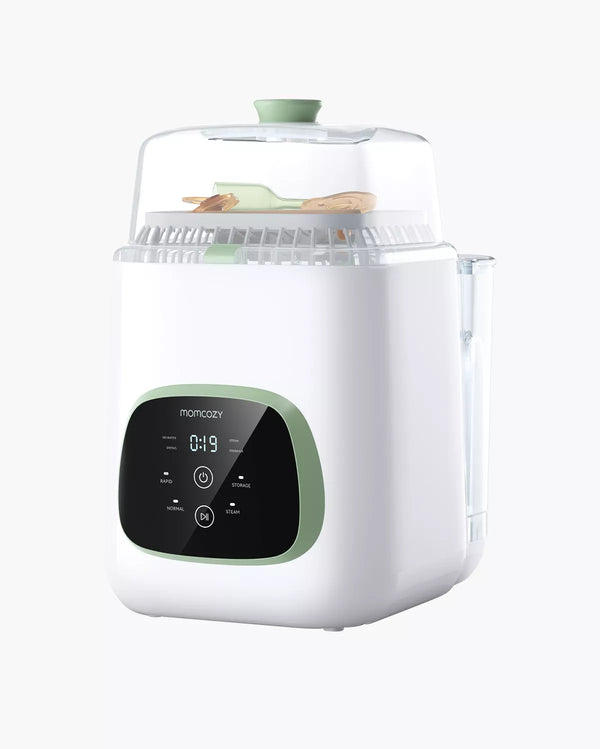
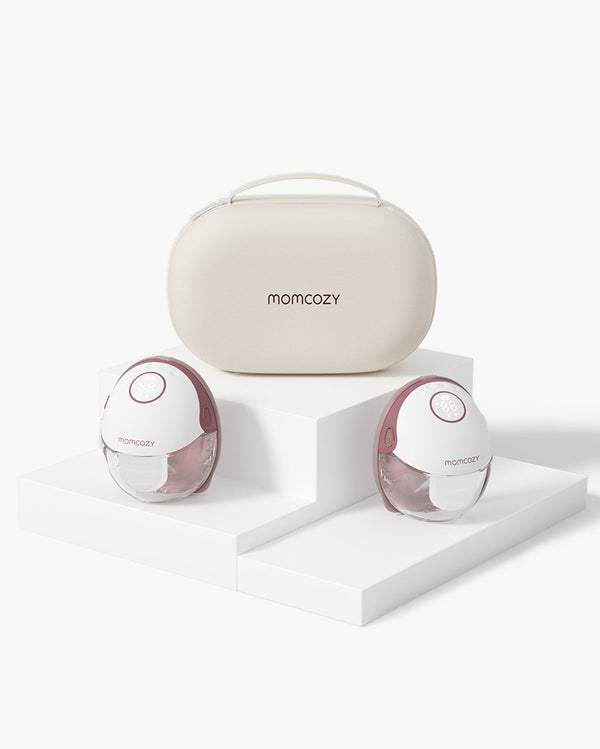
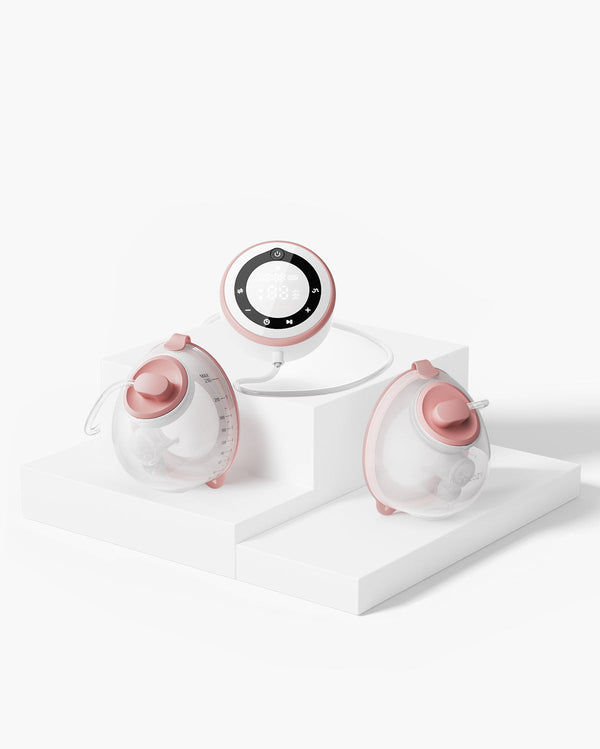
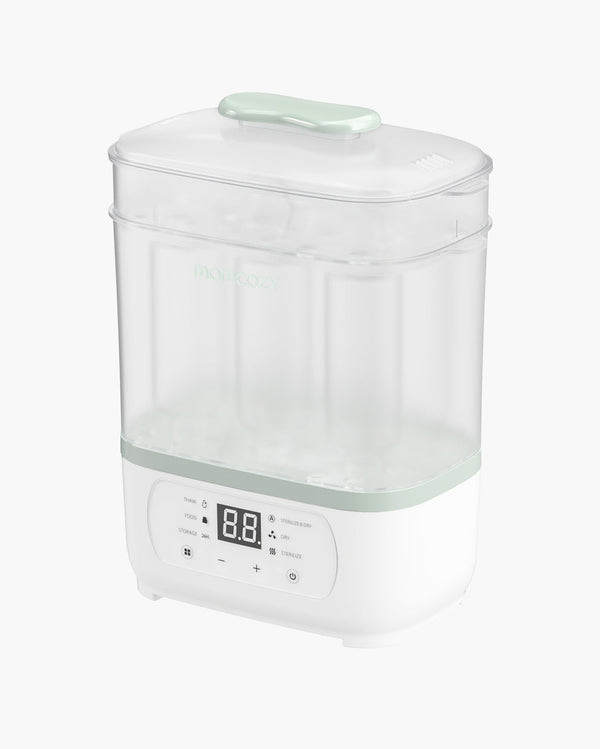
Las familias pueden comparar productos de apoyo para la alimentación antes de decidir si se ajustan a su rutina y a sus preferencias respecto al nivel de exposición, revisando los detalles del producto, las instrucciones de limpieza y la información sobre materiales disponibles, por ejemplo, en la colección de sacaleches eléctricos, la colección de brasieres de extracción, la colección de esterilizadores de biberones o la colección de calentadores portables de biberones de Momcozy.
Porteo del bebé y artículos de movilidad con enfoque no tóxico
Los productos de contacto cercano, como los que se usan para el porteo del bebé y para viajes son esenciales en una lista de nacimiento con enfoque no tóxico. Por ello, es recomendable que los padres se aseguren que estos productos estén hechos de los materiales adecuados, sean transpirables y lavables. Debido a que estos productos permanecen en contacto directo con la piel del bebé durante periodos prolongados, muchas familias prestan especial atención a la tela y a los materiales al momento de elegirlos.
Al evaluar artículos para el porteo del bebé y productos para desplazarse, muchos padres suelen considerar aspectos como:
- Telas transpirables que ayuden a reducir la acumulación de calor durante un uso prolongado
- Materiales lavables y fundas removibles para facilitar el mantenimiento
- Información transparente sobre los materiales utilizados y la composición de las telas
- Acolchado y forros diseñados para un uso frecuente en contacto cercano
- Productos sin olores químicos intensos ni tratamientos con fragancias fuertes
- Materiales lavables que mantengan su durabilidad tras el uso, el lavado y la reutilización
Dependiendo del tipo de portabebés —por ejemplo, un portabebés estructurado blando o uno con estructura rígida— algunos padres revisan la composición de la tela y las instrucciones de limpieza en la colección de portabebés, la colección de portabebés para recién nacidos, la colección de fulares portabebés y la colección de portabebés con asiento para cadera de Momcozy antes de incluirlos en su lista de nacimiento.
Al comparar artículos de movilidad, como cochecitos o mecedoras para familias con más de un hijo, algunas familias también consideran aspectos como las telas removibles, las fundas lavables, el acolchado y el mantenimiento a largo plazo al evaluar otras opciones, como la colección de cochecitos para bebés y la colección de mecedoras para bebés de Momcozy.
Productos de salud, higiene y limpieza: qué evaluar
La evaluación de los productos de salud, higiene y limpieza para incluir en una lista de nacimiento con productos no tóxicos suele centrarse en aspectos como la seguridad de los materiales, la frecuencia de uso y el nivel de contacto directo con el bebé. Muchos de estos productos se utilizan a lo largo del día, por lo que algunos padres buscan opciones que sean fáciles de limpiar y que indiquen claramente los materiales o componentes utilizados.
Los padres suelen considerar:
- materiales que estén en contacto directo con el bebé durante el uso.
- superficies no porosas y fáciles de limpiar para ayudar a reducir la acumulación de residuos.
- productos fáciles de montar y con menos piezas ocultas o difíciles de limpiar
- la frecuencia de uso y el nivel de exposición dentro de las rutinas diarias
- información clara del producto sobre plásticos, siliconas o materiales combinados
- requisitos de mantenimiento que ayuden a evitar la acumulación de bacterias con el paso del tiempo
Muchas familias prefieren elegir conjuntos más pequeños de artículos en lugar de comprar kits completos con múltiples productos, seleccionando únicamente lo que realmente necesitan, por ejemplo, para el cuidado nasal, la limpieza de biberones o la esterilización.
Al evaluar la colección de aspiradores nasales para bebés, la colección de lavadores de biberones y la colección de esterilizadores de biberones, algunos padres consideran aspectos como los materiales utilizados, la facilidad de limpieza y la frecuencia de uso.
Comodidad para mamá en una lista de nacimiento con productos no tóxicos
Aunque una lista de nacimiento con productos no tóxicos suele centrarse principalmente en artículos para el bebé, también incluye productos de comodidad para la mamá, ya que con frecuencia se utilizan durante el embarazo y el proceso de recuperación después del parto. Estos productos suelen permanecer en contacto cercano con la piel y utilizarse durante periodos prolongados, por lo que aspectos como la suavidad del tejido, la transpirabilidad y la facilidad de lavado suelen ser importantes al evaluarlos.
Al evaluar productos de comodidad para mamá, muchos padres suelen considerar:
- suavidad de la tela y compatibilidad con la piel sensible durante el posparto
- materiales transpirables que favorezcan la comodidad durante el descanso y la recuperación
- diseños lavables adecuados para un uso frecuente en el día a día
- características de soporte que ayuden a reducir la incomodidad durante la alimentación, el descanso o el movimiento
- comodidad para un uso prolongado y repetido en la rutina diaria, en lugar de un uso ocasional
Los productos de apoyo para el embarazo y el posparto suelen evaluarse según la comodidad que ofrecen al cuerpo y su capacidad para mantenerse cómodos durante un uso prolongado. Esto incluye artículos como una almohada de embarazo para brindar soporte corporal y favorecer una mejor alineación del cuerpo, así como prendas que puedan utilizarse durante el día.
Otras características que muchas familias suelen considerar al elegir prendas de uso diario —como brasieres de lactancia, brasieres de extracción y brasieres de soporte sin costuras— son la suavidad de la tela, la elasticidad y la facilidad de lavado.
Errores a evitar en una lista de nacimiento con productos no tóxicos
Es fácil dejarse llevar por el marketing o por la idea de que algo es seguro simplemente porque así aparece en la etiqueta. Una lista de nacimiento con productos no tóxicos funciona mejor cuando se basa en información clara sobre los materiales, el uso previsto del producto y la transparencia en la información proporcionada, en lugar de suposiciones o estrategias de marca.
Los errores más comunes que conviene evitar incluyen:
- Asumir que “natural” automáticamente significa una opción más segura; siempre conviene revisar los materiales y la información del producto
- Confiar en afirmaciones ambiguas de marketing ecológico sin información clara sobre materiales o seguridad
- Priorizar etiquetas como “orgánico” sin considerar la practicidad, la durabilidad y las necesidades reales de uso
- Ignorar la composición de los materiales y basarse únicamente en la marca o en aspectos estéticos
- Pasar por alto los requisitos de limpieza y las necesidades reales de mantenimiento
- Utilizar términos como “sin químicos”, que no son precisos desde un punto de vista científico en el contexto de los productos
- Basarse parcialmente en certificaciones sin comprender qué evalúan o qué aspectos cubren
En la práctica, un enfoque no tóxico implica evaluar los materiales de forma informada, revisar la información disponible sobre los productos y considerar condiciones de uso realistas, en lugar de tomar decisiones impulsadas por el miedo o por el marketing.
Preguntas frecuentes
¿Qué materiales debería buscar en los productos para bebés?
Muchos padres suelen buscar telas lavables, información transparente sobre los materiales utilizados, materiales aptos para el contacto con alimentos en productos de alimentación y certificaciones (como OEKO-TEX® o GOTS) cuando estén disponibles.
¿Qué productos para bebés son los más importantes en una lista de nacimiento con productos no tóxicos?
Los productos que están en contacto directo con el bebé suelen ser una de las primeras categorías que muchas familias revisan. Entre ellos se incluyen los productos para la alimentación, las superficies para dormir, las telas de contacto cercano y los productos para el porteo.
¿Los productos orgánicos para bebés siempre son mejores?
No necesariamente. Otros aspectos como la transparencia sobre los materiales utilizados, la funcionalidad del producto, la durabilidad y la facilidad de lavado también son importantes.
¿El plástico siempre es una mala opción en productos para bebés?
No. Algunos productos plásticos son seguros para el uso del bebé. Muchos padres suelen revisar la información sobre los materiales y el uso previsto antes de tomar una decisión.
¿Cómo puedo crear una lista de nacimiento con productos no tóxicos con un presupuesto limitado?
Muchas familias priorizan los artículos de uso frecuente y evitan gastar de más en productos que utilizarán con menor frecuencia.
¿Puedo usar artículos de segunda mano en una lista de nacimiento con productos no tóxicos?
Sí, depende del tipo de producto y del uso que vaya a tener. Aun así, muchas familias suelen revisar aspectos como el estado de limpieza, el desgaste y las condiciones de seguridad del producto de segunda mano antes de usarlo o comprarlo.
¿Cómo puedo evitar caer en el marketing ecológico al elegir productos para bebés?
Los padres pueden revisar información detallada del producto, certificaciones, transparencia sobre los materiales utilizados e instrucciones de cuidado, en lugar de basarse únicamente en términos de marketing.
Conclusión
Una lista de nacimiento con productos no tóxicos consiste, en última instancia, en tomar decisiones informadas y prácticas, no en buscar la perfección. Aunque muchas familias consideran útil sustituir la mayor cantidad de productos posible, suele ser más recomendable centrarse en aquellos artículos que realmente se utilizarán con mayor frecuencia, que formen parte de rutinas cotidianas, sean fáciles de lavar y resulten útiles en el día a día.
La calma, la flexibilidad y la información basada en evidencia son algunas de las mejores estrategias. Al centrarse en los productos de uso más frecuente y revisar con atención la información sobre materiales y cuidados, los padres pueden crear una lista de nacimiento más fácil de gestionar y más práctica. Ahora que ya sabes qué materiales priorizar, utiliza nuestra lista de nacimiento 2026 para revisar tu lista completa y asegurarte de incluir todas las categorías necesarias. Si te estás preparando para la llegada de un segundo bebé, consulta también nuestra guía sobre lista de nacimiento para un segundo bebé para aprender a evaluar y renovar tus artículos de forma práctica y organizada.