Introducción
Aunque la mayoría de las listas de nacimiento se enfocan en qué incluir, el verdadero reto puede ser decidir qué dejar fuera. Cuando a los futuros padres se les presenta una lista interminable de productos, no siempre se tiene en cuenta lo que ya hay en casa, cómo se usa realmente el espacio o el tipo de alimentación que elegirán.
Esta guía pone el foco en eliminar, combinar y sustituir artículos redundantes por opciones multifuncionales para simplificar la toma de decisiones. Si estás empezando a familiarizarte con la planificación de una lista de nacimiento y quieres comprender el proceso básico antes de simplificarla, consulta nuestra guía sobre qué es una lista de nacimiento.
¿Qué es una lista de nacimiento minimalista?
Una lista de nacimiento minimalista se centra en los artículos que son verdaderamente necesarios para la vida de tu bebé, en lugar de incluir un sinfín de productos que duplican funciones para el mismo propósito.
La idea no es crear una habitación del bebé completamente equipada, sino reducir el exceso, eliminar artículos que apenas se utilizan y asegurarse de priorizar la funcionalidad.
Las ideas principales de un enfoque minimalista incluyen:
- conservar únicamente los artículos que se utilicen con frecuencia en la rutina diaria real
- eliminar artículos para el bebé duplicados o de un solo uso
- priorizar los productos necesarios durante los primeros 3–6 meses
- posponer compras hasta que aparezca una necesidad real
- elegir productos solo cuando realmente aporten una diferencia clara en funcionalidad o comodidad
Esto ayuda a reducir el desorden y a mantener los artículos para el bebé alineados con el espacio disponible en el hogar, la rutina diaria y las necesidades de alimentación.
Al crear una lista más reducida de artículos esenciales para el bebé y el posparto, los padres también pueden descubrir productos confiables para estas etapas en el sitio web oficial de Momcozy.
Lista de nacimiento minimalista vs. lista de nacimiento tradicional
Una lista de nacimiento tradicional se basa en prepararse para cualquier escenario posible, lo que puede dar lugar a una mayor cantidad de artículos, productos duplicados y herramientas especializadas.
En cambio, una lista de nacimiento minimalista adopta un enfoque diferente: reduce la cantidad de decisiones al centrarse en productos que puedan utilizarse en el día a día y propone menos opciones, pero más versátiles, para sustituir productos de uso puntual.
Las listas de nacimiento tradicionales suelen incluir:
- múltiples artículos para el bebé de un solo propósito para distintas situaciones
- conjuntos completos de muebles para la habitación del bebé, sin considerar el espacio disponible
- sistemas independientes para cada etapa o método de alimentación
- grandes cantidades de ropa para recién nacido y artículos duplicados
- equipos de respaldo o redundantes para viajes y alimentación
En cambio, las listas de nacimiento minimalistas priorizan:
- artículos multifuncionales que sustituyen varios productos
- artículos compactos que se adaptan al espacio real del hogar
- herramientas de alimentación alineadas con un enfoque de alimentación claro
- artículos esenciales que se utilizan de forma constante en la rutina diaria
- únicamente productos que apoyen directamente los primeros meses de cuidado
Este enfoque reduce el desorden, ya que cada artículo debe tener un propósito claro: funcionalidad, frecuencia de uso o capacidad de adaptación.
La prueba de las 5 preguntas antes de añadir cualquier artículo
La forma más sencilla de crear una lista de nacimiento sin lujos es detenerse y preguntarse si algo realmente será necesario en el día a día antes de añadirlo a la lista. Estas preguntas te ayudarán a descartar compras innecesarias y a centrar tu lista de nacimiento en lo que realmente necesitas.
¿Usaremos esto durante los primeros 3–6 meses?
Las necesidades de cuidado suelen ser mayores durante los primeros meses de vida del recién nacido, por lo que conviene dar prioridad a los artículos relacionados con esta etapa que se utilizarán durante los primeros meses.
Los productos que suelen aportar valor inmediato incluyen:
- brasieres de lactancia y artículos de apoyo para la alimentación
- portabebés para el porteo diario y para ayudar a calmar al bebé
- artículos básicos para la salud
- artículos de comodidad que faciliten las rutinas de alimentación y recuperación
Por ejemplo, la colección de cojins de lactancia de Momcozy puede ayudar a colocar al bebé en una posición más cómoda para la lactancia materna y la alimentación con biberón, lo que puede reducir la tensión y la presión durante las tomas frecuentes.
¿Resuelve un problema diario o semanal?
Los productos minimalistas para bebés suelen utilizarse de forma repetida y no solo de manera ocasional. Los artículos que facilitan las actividades cotidianas son más adecuados para una lista de nacimiento.
Por ejemplo, un portabebés puede resultar útil para:
- Facilitar los desplazamientos por escaleras mientras realizas tareas del hogar o recados
- Calmar a un bebé inquieto sin dejar de tener libertad de movimiento
- Adaptarse mejor a espacios pequeños donde es necesario cargar al bebé con frecuencia
La colección de portabebés de Momcozy y la colección de fulares portabebés de Momcozy están diseñadas para el porteo diario en distintas etapas del crecimiento del bebé, lo que las convierte en opciones prácticas para el uso cotidiano.
¿Es compacto, versátil o fácil de guardar?
Las familias que buscan un enfoque minimalista deben tener en cuenta el espacio de almacenamiento, especialmente quienes viven en departamentos o en viviendas compartidas. Los productos pequeños, portables o que cumplen varias funciones suelen ser una opción preferida.
Algunos ejemplos comunes incluyen:
- artículos para el bebé plegables o ligeros
- herramientas compactas para la alimentación y el cuidado
- productos de comodidad de uso múltiple
- soluciones portables para ayudar a calmar al bebé
La colección de máquinas de ruido blanco para bebés de Momcozy es un buen ejemplo de un producto pequeño que puede utilizarse durante las siestas, a la hora de dormir y cuando estás fuera de casa con el bebé.
¿Podemos pedirlo prestado, comprarlo más adelante o conseguirlo de segunda mano?
No todos los productos necesitan comprarse antes del nacimiento. Algunos artículos es mejor añadirlos más adelante, cuando las necesidades del bebé estén más claras.
Estos pueden incluir:
- artículos de mayor tamaño cuya elección dependa de las preferencias o del espacio disponible
- artículos que suelen conseguirse de segunda mano
- productos que varían según el estilo de alimentación o de sueño
Esperar puede ayudarte a evitar compras innecesarias y reducir el desorden en casa.
¿Se adapta a nuestro hogar, plan de alimentación, presupuesto y estilo de vida?
Un producto puede ser una buena recomendación, pero no necesariamente funcionará para todas las familias. Las mejores opciones son aquellas que se ajustan a las rutinas reales del día a día y no simplemente a expectativas generales.
Por ejemplo:
- Las familias que optan exclusivamente por la extracción de leche pueden priorizar la colección de sacaleches eléctricos de Momcozy
- Los padres centrados en el cuidado del recién nacido pueden beneficiarse de la colección de aspiradores nasales para bebés de Momcozy
- Las familias que buscan apoyo para la alimentación pueden apoyarse en la colección de almohadas de lactancia de Momcozy
- Los padres que están creando rutinas tempranas de alimentación también pueden considerar productos de apoyo enfocados en la comodidad
La lista de nacimiento minimalista ideal es aquella que se basa en las necesidades reales de tu vida diaria y no en las tendencias del momento en internet ni en una lista genérica.
Las únicas categorías con las que los padres minimalistas necesitan empezar
Una lista de nacimiento minimalista se basa en lo esencial y no en incluir todo lo que se pueda encontrar. El objetivo es reducir la sobrecarga de decisiones e incluir únicamente las categorías que realmente apoyen el cuidado diario del recién nacido.
La mayoría de las listas de nacimiento minimalistas comienzan con solo unas pocas categorías principales:
- artículos esenciales para un sueño seguro
- artículos básicos para la alimentación
- artículos para el cambio de pañales y la higiene
- transporte o porteo del bebé
- artículos básicos para la salud
- artículos para la comodidad durante el posparto
Estas categorías están pensadas para ser lo más fáciles de gestionar posible y garantizar que cada artículo tenga un propósito claro durante las primeras rutinas de cuidado del recién nacido, evitando equipos innecesarios o productos duplicados. Para consultar un inventario completo por categorías y comparar tu lista minimalista, consulta la lista de nacimiento 2026 de Momcozy.
Configuración minimalista para la alimentación: mantén la flexibilidad
Una configuración minimalista para la alimentación busca reducir duplicaciones utilizando menos herramientas que puedan cubrir varias necesidades, en lugar de crear sistemas y configuraciones independientes para la lactancia materna, la extracción de leche y la alimentación con biberón.
Simplifica la lactancia materna y la extracción de leche
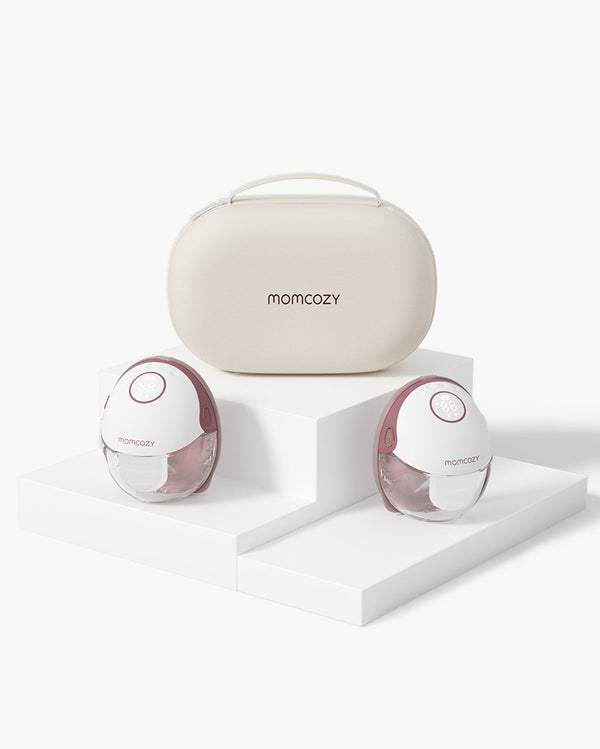
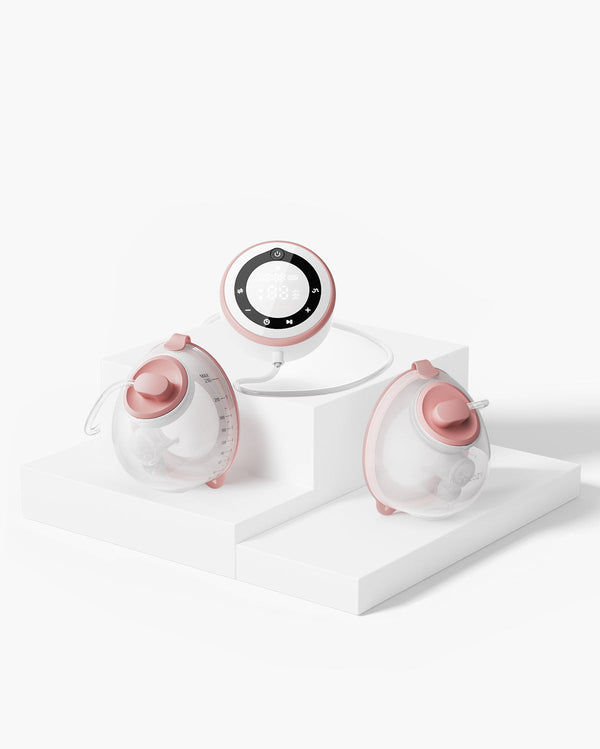
- Utiliza extractores de leche eléctricos o portables en lugar de tener sistemas independientes de extracción fijos
- Utiliza brasieres de extracción en lugar de accesorios de soporte manual o de tener que sostener el extractor
- Utiliza sujetadores de lactancia en lugar de cambiar entre varias prendas para facilitar la alimentación
- Utiliza una almohada de lactancia en lugar de varios cojines de posicionamiento o dispositivos de soporte
- Utiliza herramientas de apoyo para la lactancia en lugar de añadir múltiples productos separados que favorezcan el flujo de leche
Simplifica la alimentación con biberón y la limpieza
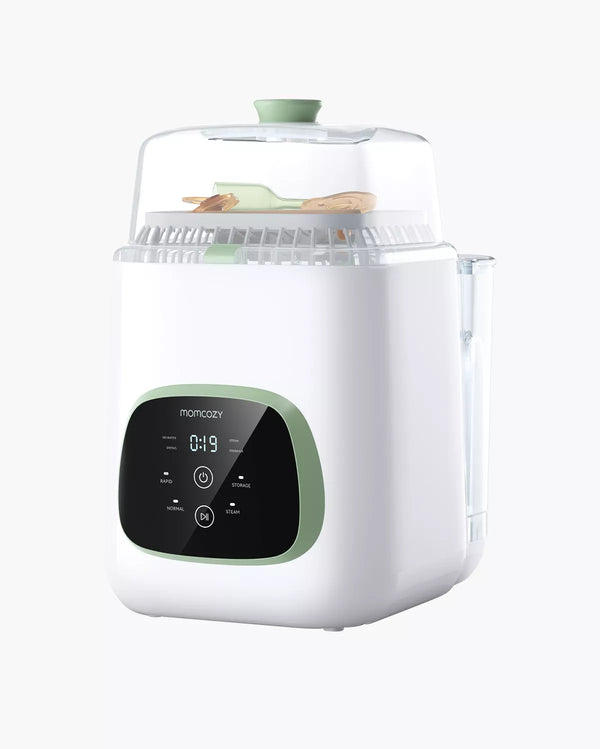
- Utiliza un sistema para calentar en lugar de varios métodos de calentamiento
- Utiliza un único lavador de biberones en lugar de varias herramientas para limpiar biberones y piezas del extractor de leche
- Utiliza una única solución de enfriamiento para biberones en lugar de distintos dispositivos para conservar o manipular la leche
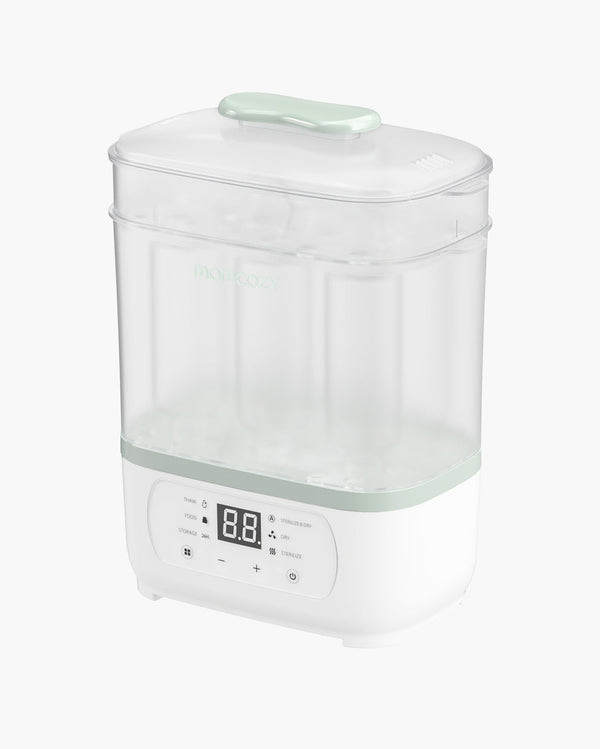
- Utiliza herramientas de esterilizador de biberones en lugar de varios productos de higiene que cumplen la misma función
Después de decidir qué artículos incluir, asegúrate de que todos sean seguros para tu bebé consultando nuestra guía de lista de nacimiento con productos no tóxicos, donde podrás conocer más sobre la transparencia de los materiales y los estándares de seguridad.
Entorno minimalista para el sueño: simple, seguro y tranquilo
Un entorno de sueño minimalista busca limitar los estímulos presentes y puede ser tan sencillo como incluir un solo elemento de ayuda para dormir, y nada más.
- Utiliza una única máquina de ruido blanco en lugar de varios dispositivos de música, unidades de vibración o temporizadores para dormir
- Utiliza un solo vigilabebés en lugar de combinar varios sistemas de monitoreo
- Utiliza un espacio de descanso sencillo y despejado en lugar de añadir accesorios adicionales o decorativos para dormir
- Mantén un entorno de sueño constante en lugar de alternar entre distintos sistemas para calmar al bebé
Comodidad minimalista para la madre: qué realmente vale la pena conservar
La idea del minimalismo no es excluir los productos de comodidad de la lista de nacimiento, sino reducirla a aquellos que realmente son necesarios para la recuperación física, el descanso o la funcionalidad. El objetivo no es acumular muchos productos similares, sino elegir unos pocos que realmente cumplan una función.
Los productos de comodidad solo se incluyen cuando ayudan directamente con una necesidad específica, por ejemplo, molestias al dormir, dolor corporal o apoyo para la recuperación después del parto. Se evita la duplicación y el solapamiento entre productos para no acumular demasiados artículos con funciones parecidas.
Los artículos que mejoran directamente la comodidad al dormir y el posicionamiento del cuerpo pueden ser útiles durante el embarazo. Por ejemplo, la colección de almohadas de embarazo de Momcozy ayuda a mantener una mejor alineación del cuerpo en la zona de la espalda, las caderas y el vientre, lo que puede favorecer una postura más cómoda al dormir y reducir la necesidad de productos de apoyo adicionales.
Si la principal molestia está relacionada con la temperatura, la colección de almohadas de embarazo refrescantes puede considerarse como una alternativa. Normalmente, solo se necesita una solución principal de almohada según las necesidades de descanso de cada persona.
Las opciones de apoyo más específicas, como la colección de almohadas de embarazo para aliviar el dolor y la colección de almohadas de embarazo por forma, permiten elegir según una necesidad específica; sin embargo, dentro de una configuración minimalista suele elegirse un solo diseño según los puntos de dolor, la posición al dormir y las limitaciones de espacio.
Otros artículos esenciales pueden incluir:
-
La colección de fajas de embarazo de Momcozy para brindar soporte al vientre y a la zona lumbar durante el movimiento
- La colección de brasieres sin costuras de Momcozy para mayor comodidad durante el posparto y el uso diario
El enfoque minimalista prioriza una única solución por cada categoría de necesidad, asegurando que cada artículo de comodidad tenga un propósito claro y evitando funciones superpuestas.
Alternativas minimalistas: qué puedes usar en lugar de artículos para el bebé
Los padres que siguen un enfoque minimalista suelen reducir la cantidad de artículos para el bebé aprovechando objetos y recursos que ya tienen en casa. El objetivo no es llenar el hogar con muebles dedicados exclusivamente al bebé, sino utilizar muebles que ya formen parte del uso diario y puedan cumplir varias funciones.
Usa artículos del hogar en lugar de productos específicos para el bebé
- Utiliza la cómoda que ya tienes en casa en lugar de una mesa cambiadora dedicada exclusivamente al bebé
- Utiliza una cama, un sofá o una colchoneta en lugar de una estación para cambiar al bebé
- Utiliza estantes o gabinetes en lugar de sistemas de almacenamiento para la habitación del bebé
- Utiliza una cesta o una caja en lugar de varios organizadores para la habitación del bebé
- Utiliza un portabebés en lugar de un cochecito para pequeños recados
Usa herramientas simples para la alimentación y la comodidad en lugar de múltiples configuraciones
- Utiliza brasieres de lactancia en lugar de cambiar entre varias prendas para facilitar la alimentación
- Utiliza una almohada de lactancia en lugar de varios cojines de posicionamiento
- Utiliza un portabebés en lugar de distintos dispositivos para sostener o calmar al bebé
Usa herramientas sencillas para el sueño en lugar de múltiples artículos
- Utiliza una única máquina de ruido blanco en lugar de varios elementos de ayuda para dormir, dispositivos de música o productos con vibración para calmar al bebé
- Utiliza un espacio de descanso sencillo en lugar de añadir accesorios o decoraciones adicionales
Lista de nacimiento minimalista para espacios pequeños
Si vives en una casa pequeña o en un departamento, no es necesario excederse con la preparación de la habitación del bebé; en su lugar, conviene centrarse en la funcionalidad y en elegir artículos compactos para la lista de nacimiento. El objetivo es mantener el espacio despejado, ordenado y fácil de limpiar, sin dejar de cubrir todas las necesidades esenciales del bebé.
Principios fundamentales para espacios pequeños
- Elige productos compactos o de uso múltiple
- Evita conjuntos completos de muebles para la habitación del bebé que ocupen espacio fijo
- Prioriza el porteo del bebé en lugar de artículos de transporte voluminosos cuando sea posible
- Incorpora artículos de mayor tamaño solo cuando realmente sean necesarios
- Prioriza artículos que sean fáciles de guardar, plegar o reutilizar
Artículos esenciales para ahorrar espacio de forma inteligente
El porteo del bebé es especialmente útil en hogares pequeños porque reduce la necesidad de utilizar cochecitos u otros productos de gran tamaño para transportar al bebé durante las actividades diarias.
Algunas opciones incluyen:
- La colección de portabebés de Momcozy
- La colección de fulares portabebés
- La colección de portabebés para recién nacidos
Estas opciones permiten que los padres se muevan con libertad mientras mantienen al bebé cerca, sin ocupar espacio adicional en el hogar.
Para favorecer el descanso, se prefieren herramientas compactas en lugar de acumular varios dispositivos en la habitación del bebé:
- La colección de máquinas de ruido blanco para bebés de Momcozy ayuda a crear un entorno tranquilo para el sueño sin necesidad de equipos adicionales ni elementos de ayuda para dormir que ocupen mucho espacio.
Para la alimentación y el cuidado en espacios pequeños:
- La colección de almohadas de lactancia de Momcozy facilita la alimentación sin necesidad de instalar asientos adicionales
- La colección de aspiradores nasales para bebés de Momcozy ofrece artículos de apoyo compactos para el uso diario
En cuanto a la movilidad, los artículos de mayor tamaño pueden dejarse para más adelante hasta que las necesidades según el estilo de vida sean más claras:
- La colección de cochecitos para bebés de Momcozy puede añadirse después, según el espacio disponible para guardarlos y las rutinas fuera de casa
Compras pospuestas (para más adelante)
En lugar de preparar todo de una sola vez, los padres se centran en aquello que realmente se utilizará a diario durante la etapa de recién nacido y dejan para más adelante todo lo que dependa del crecimiento del bebé, el estilo de vida o las preferencias de alimentación.
Conserva para uso inmediato
Estos son artículos esenciales que apoyan directamente el cuidado del recién nacido y las rutinas diarias desde el primer día:
- Brasieres de lactancia y artículos esenciales para la comodidad durante la alimentación
- Almohada de lactancia para brindar apoyo en la posición durante la alimentación
- Portabebés para facilitar el movimiento con manos libres y ayudar a calmar al bebé
- Artículos básicos para la salud utilizados en el cuidado y seguimiento diario
- Apoyo simple para el sueño, si es necesario para establecer rutinas de descanso
Déjalo para más adelante hasta que las necesidades sean más claras
Estos son artículos que dependen de la etapa de desarrollo del bebé, del progreso en la alimentación o de la rutina del hogar:
- Equipos más grandes para el sueño o para calmar al bebé que son opcionales durante los primeros meses
- Aparatos para la alimentación que dependen de hábitos de alimentación ya establecidos
- Artículos de movilidad que dependen de la frecuencia con la que la familia sale de casa
- Cochecitos o mejoras que se deciden según el uso real y el estilo de vida
- Artículos adicionales o duplicados para bebés cuyas funciones puedan superponerse
Preguntas frecuentes
¿Cuántos artículos debería incluir una lista de nacimiento minimalista?
¡No existe una cantidad perfecta! Una lista de nacimiento minimalista pone el foco en los artículos importantes para el día a día en lugar de añadir productos innecesarios.
¿Qué se necesita realmente antes de que llegue el bebé?
Antes del nacimiento, la mayoría de los padres solo necesita lo esencial: un espacio seguro para dormir, algunos artículos básicos para la salud y el posparto, unas pocas prendas sencillas para el bebé y artículos básicos para la alimentación.
¿Qué artículos para bebés puedo omitir?
Algunas de las cosas que muchas familias suelen dejar fuera son los artículos duplicados, el exceso de ropa para el bebé, los elementos decorativos para la cuna y los accesorios que probablemente no se usarán con frecuencia.
¿Es necesario un vigilabebés en una lista de nacimiento minimalista?
No siempre. Algunos padres prefieren tener un vigilabebés, mientras que otros pueden no necesitarlo, dependiendo del tamaño de la vivienda y de cómo organicen el descanso del bebé.
¿Debería añadir un extractor de leche a una lista de nacimiento minimalista?
Sí, si planeas dar lactancia materna o extraer leche. Un extractor de leche puede aportar mayor flexibilidad en la alimentación y facilitar la rutina diaria.
¿Qué artículos para bebés son mejores para espacios pequeños?
En general, los artículos compactos y de uso múltiple suelen ser la mejor opción, como los fulares portabebés, las almohadas de lactancia, los artículos portables que facilitan la alimentación y las máquinas pequeñas de ruido blanco.
Conclusión
Una lista de nacimiento minimalista no significa renunciar a tener todo lo necesario para el bebé. Se trata de diseñar un entorno más organizado que facilite la vida diaria sin acumular objetos innecesarios.
La flexibilidad, la comodidad y las rutinas realistas son algunas de las características clave de las listas de nacimiento minimalistas más exitosas. Al adoptar un estilo de vida más simple, con menos productos pero más funcionales, los padres también suelen gastar menos, almacenar menos y sentirse mejor preparados para adaptarse a medida que su bebé crece. Ten en cuenta que el minimalismo adquiere un significado diferente cuando gestionas los artículos para una familia que sigue creciendo. Si te estás preparando para la llegada de un nuevo integrante, consulta nuestra guía de lista de nacimiento para un segundo bebé, donde aprenderás a reutilizar y actualizar tus artículos de forma eficiente sin añadir desorden innecesario.