💡 Puntos clave
- La inquietud nocturna en los recién nacidos está motivada por el hambre, el cansancio excesivo, la sobreestimulación, los ciclos de sueño inestables o molestias digestivas.
- La inversión del ciclo día-noche se debe a que el reloj biológico del recién nacido aún no está desarrollado, un proceso que afecta por igual a bebés amamantados y alimentados con fórmula.
- Exponer al lactante a la luz del día y mantener un entorno oscuro, silencioso y de baja estimulación durante la noche ayuda a regular de forma natural su ritmo de sueño.
- La confusión entre el día y la noche es una etapa temporal que suele resolverse de manera natural entre las pocas semanas y los 3 a 6 meses de edad.
Despertarse por la noche está relacionado con los patrones de sueño irregulares de tu recién nacido, el hambre o el cansancio excesivo durante el día. Afortunadamente, existen algunos métodos no invasivos para calmar a tu bebé. Esta publicación explica toda la ciencia detrás de esto y ofrece soluciones sencillas para el sueño, tanto para ti como para tu bebé. También puedes comprar productos como mecedoras para bebés y vigilabebés para disfrutar de tardes más tranquilas y tener tranquilidad.
¿Por qué mi bebé está inquieto por la noche, pero no durante el día?
Los recién nacidos pueden ser complicados y algunos pueden llorar de 2 a 3 horas al día. Aquí te mostramos algunas razones:
-
Hambre y alimentación en racimos: El estómago de un recién nacido es muy pequeño, por lo que necesitan alimentarse cada dos o tres horas. Varios bebés también comen más por la noche para adormecerse antes de un sueño más largo.
-
Cansancio excesivo o sobreestimulación: Los bebés pueden permanecer despiertos durante un periodo demasiado largo, saltarse las siestas o estar expuestos a demasiado ruido y alboroto. Esto puede provocar que estén aún más irritables.
-
Ciclos de sueño inestables: El sueño de tu bebé es ligero, por eso, incluso el ruido y los pequeños espasmos musculares pueden despertarlo.
-
Inversión del día y la noche: Algunos bebés parecen confundir el día con la noche, pues tienen más sueño durante el día y se vuelven irritables por la noche, cuando reina la tranquilidad.
-
Molestias digestivas: Los gases, el reflujo o el aire en el estómago pueden hacer que el bebé esté inquieto por la noche.
-
Entorno y temperatura: Los bebés se ven afectados por su entorno y lo que los rodea influye en ellos. Tener demasiado calor, demasiado frío o estar expuestos a luces brillantes y ruido puede causarles irritabilidad.
-
Enfermedad: A veces, el llanto de tu bebé puede indicarte que está enfermo. Puede tener fiebre, un resfriado o malestar estomacal.
Cómo diferenciar entre “inquietud” y gases o cólicos
Es normal que tu bebé esté un poco inquieto, pero no todos los llantos son iguales. A veces lloran porque tienen hambre, están cansados o simplemente quieren que los consuelen, pero tampoco siempre se trata de gases o cólicos.
¿En qué debes fijarte? La “inquietud” de tu bebé va y viene. Se calma después de comer, de que lo mecen o de que lo abrazan. El llanto cesa cuando se satisfacen sus necesidades. Por otro lado, el llanto por “gases o cólicos” suena diferente. Tu hijo puede levantar las piernas hacia la barriga, arquear la espalda o incluso ponerse rígido. El llanto puede ser más fuerte, más prolongado y difícil de calmar. Comprender las causas del malestar en un bebé de tres meses y los remedios para calmarlo puede ayudarte a identificar si el “malestar” de tu bebé va y viene.
¿Cómo calmar a un bebé inquieto por la noche?
- Empieza por lo básico. ¿Tu bebé tiene hambre? ¿Necesita que le cambies el pañal? ¿Tiene calor o frío? ¿Se le salió el chupón? Atender estas necesidades puede calmar a tu bebé rápido. Saber cómo calmar a un recién nacido inquieto para que se duerma es clave.
- Comprueba si está angustiado. La inquietud a veces se relaciona con gases, reflujo y otros problemas de comodidad. Hazlo eructar mientras le frotas suavemente la barriga. También puedes hacer pequeños movimientos de bicicleta con sus piernas para ayudar a expulsar los gases.
- Desarrolla una rutina nocturna para que tu bebé pueda descansar de forma eficaz. Atenúa las luces y pon música suave o ruido blanco. También puedes darle un baño tibio o un masaje suave.
- No dejes que tu bebé se canse demasiado. Fíjate si está bostezando o frotándose los ojos, ya que suele dormir después de estar despierto entre 45 y 90 minutos.
- Invierte en algunas herramientas para calmarlo:
La mecedora eléctrica 2 en 1 Momcozy, con un soporte resistente de doble brazo, calma a tu pequeño con un balanceo y un zumbido suaves. Está diseñada con un asiento cómodo acolchado que mantiene al bebé abrigado, y puedes convertirla en un asiento fijo para usarla a la hora de alimentarlo, relajarlo o jugar con él.
Soporte de doble brazo
Movimientos de balanceo inspirados en los padres
Asiento cómodo
Funciona como asiento fijo
Tecnología patentada 3D Swing Tech
6 movimientos de balanceo
Asiento giratorio 180°
Arnés de 5 puntos
Con el vigilabebés inteligente Momcozy bM04 de 5 pulgadas y modo dual, podrás vigilar a tu hijo desde cualquier lugar y en cualquier momento. Entre sus funciones se incluyen el acceso a través de la app o la unidad para padres, alertas de movimiento y sonido en tiempo real, video cifrado, comunicación bidireccional, compatibilidad con cuatro cámaras y mucho más.
Aplicación o Unidad para Padres
Alerta de Zona de Peligro
Almacenamiento Compatible
Modo Vox
Aplicación o unidad para padres
Alerta de zona de peligro
Almacenamiento compatible
Modo Vox
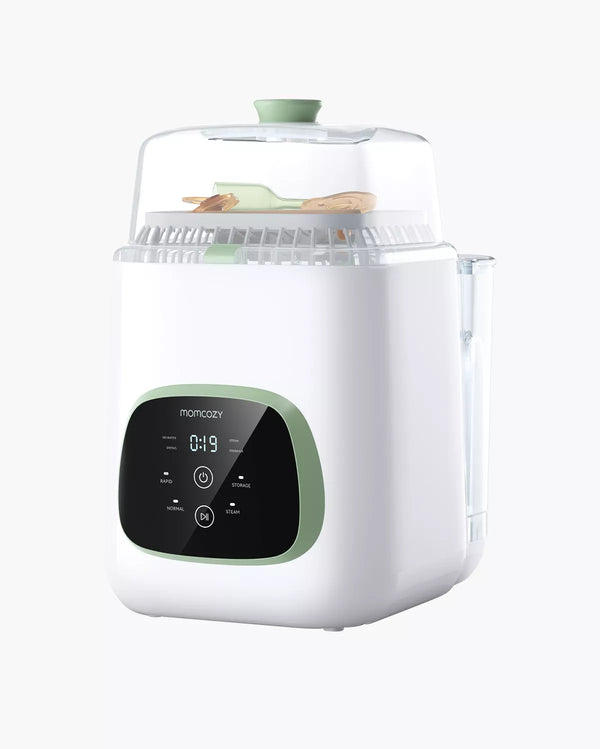
Para simplificar aún más tu rutina, el calentador de biberones Momcozy NightPro - Tomas nocturnas es una solución revolucionaria para los antojos nocturnos. Al ser el primer calentador de biberones para la noche con una cámara de agua transparente y una luz nocturna suave de dos intensidades, evita las complicaciones en la oscuridad. Puedes controlar fácilmente los niveles de agua sin encender las luces del techo, mientras que la cuenta regresiva en tiempo real y los modos de memoria inteligente garantizan que el biberón esté listo justo cuando tu bebé lo necesite.
9 consejos para ayudar a tu bebé (y a ti misma) durante la inversión del día y la noche
Los turnos de día y de noche pueden ser difíciles tanto para ti como para tu bebé, pero con un poco de ayuda, pronto lograrás que tu bebé se adapte y duerma mejor, y las noches serán más fáciles para ti.
-
Aprovecha al máximo la luz del día - Deja que tu bebé se exponga a la luz del día. Abre una ventana o sal al aire libre, ya que la luz brillante ayuda a regular su reloj biológico y le indica que debe despertarse y estar activo durante el día.
-
Mantén la calma por las noches - Alimenta a tu bebé y cámbiale el pañal. No hables, apaga las luces y disminuye cualquier tipo de estimulación. Establece una rutina para la hora de dormir para que tu bebé asocie la noche con el sueño.
-
Busca señales de sueño - Tu bebé bostezará, se frotará los ojos y se pondrá inquieto cuando esté cansado, así que acuéstalo antes de que se canse demasiado y se quedará dormido más fácilmente. Incluso puedes usar un vigilabebés para monitorear a tu bebé mientras duerme y así puedas relajarte, aunque no estés en la misma habitación. Entender por qué llora el bebé cuando lo acuestas también puede ayudarte a prepararte mejor para estas transiciones.
-
Mantén la constancia de las siestas - Haz que las siestas sean aproximadamente a la misma hora cada día, y no dejes que tu hijo duerma demasiado durante el día, muy cerca de la hora de acostarse, o podría tener problemas para dormir por la noche. Las siestas breves y predecibles pueden ayudar al bebé a dormir mejor por la noche.
-
Medidas de consuelo - Tienes opciones de productos para bebés que te ayudarán a mantener a tu bebé tranquilo y seguro. Envolverlo en una manta y el contacto cercano aportan calidez y cercanía. Una mecedora para bebés permite un balanceo suave, como si estuvieras sosteniendo a tu bebé, para ayudar a calmar a un bebé inquieto cuando necesites un poco de descanso.
-
Los padres deben vestir al bebé para que esté cómodo - Con capas ligeras en verano y sacos de dormir o varias capas en invierno. Cuando los bebés se sienten cómodos, suelen dormir mejor.
-
Céntrate en cuidarte a ti misma - Aprovecha para tomarte pequeños descansos, siestas o duchas cuando puedas. Cuando comes, descansas y te cuidas, es cuando puedes estar más paciente y tranquila.
-
Divide las tareas nocturnas - Comparte la carga de trabajo con tu pareja u otra persona que te ayude, así te ayudarán a cuidar al bebé mientras tú descansas, comes o te tomas un respiro.
-
Acepta ayuda con las tareas - Deja que tu familia, amigos y vecinos sostengan a tu bebé. Incluso un descanso de veinte minutos puede marcar una gran diferencia.
Recuerda, esto también pasará y cada bebé es diferente. Muchos bebés están más inquietos por la noche (alrededor de las 6-8 semanas), pero el sueño mejora a los 3-4 meses. Solo aprende a confiar en tus instintos y concéntrate en un cuidado delicado. Con el tiempo, esta etapa pasará y tanto tú como tu bebé podrán descansar más.
El papel de la “alimentación en racimos” y el hambre por las noches
La alimentación en racimos permite a los bebés acumular calorías antes de una siesta o un período de sueño más largo. Esto evita el hambre y aporta más comodidad y tranquilidad. Por eso tu bebé puede parecer tan insatisfecho hasta que lo alimentas.
El hambre por la noche y la alimentación en racimos pueden hacerte sentir que tu bebé siempre está durmiendo por la noche, aunque haya estado tranquilo durante el día. Identifica este patrón para que puedas aguantar y recordar que esto también pasará pronto.
¿La inversión del día y la noche es diferente en los bebés amamantados que en los bebés alimentados con leche de fórmula?
En realidad, no. La inversión del ciclo día-noche es algo que le puede pasar a cualquier bebé, ya sea que se alimente de leche materna o de fórmula. Se debe principalmente a que el reloj biológico de un recién nacido aún no está completamente desarrollado, no al tipo de leche que consume.
El tipo de alimentación puede influir en el sueño, pero solo un poco. Los bebés alimentados con leche materna pueden despertarse más veces por la noche porque la leche materna es más fácil de digerir que la de fórmula. Les da hambre antes, por eso el llanto dura más tiempo. Por otro lado, los bebés alimentados con leche de fórmula pueden dormir un poco más entre tomas.
Dicho esto, la inversión del día y la noche puede ocurrir tanto en bebés amamantados como en los alimentados con leche de fórmula. Todos los bebés necesitan tiempo para encontrar sus propios ritmos de sueño, independientemente de cómo sean alimentados.
¿Cuánto tiempo dura la inversión del día y la noche?
La inversión del día y la noche dura, para la mayoría de los bebés, desde unas pocas semanas hasta 3-6 meses. Pero ten en cuenta que todos los bebés son diferentes. Algunos se adaptan rápido, mientras que otros necesitan un poco más de tiempo.
Hay varias razones por las que esto ocurre. El cuerpo de un recién nacido aún se está desarrollando y adaptando a un ciclo regular de sueño-vigilia. Otro factor es que los bebés necesitan comer por la noche, por lo que se despiertan con más frecuencia y sus patrones de sueño se ven alterados.
También es posible que les cueste más conciliar el sueño si han dormido demasiado durante el día. El entorno y la luz también son factores importantes. Los bebés pueden desajustar su reloj biológico si duermen demasiado durante el día o si reciben demasiados estímulos por la noche.
Con un poco de tiempo, mucha paciencia y una rutina bastante constante, la mayoría de los bebés empezarán de forma natural a dormir más por la noche y a pasar las horas del día despiertos.
¿Cuándo debes contactar al médico de tu bebé?
Algunos bebés lloran por la noche sin motivo aparente. Lloran más de lo habitual si se han lastimado, no comen, vomitan, tienen diarrea o simplemente no se sienten bien por alguna otra razón. Confía en tu instinto. Si notas que algo no va bien, llama a tu médico y asegúrate de que tu bebé está bien.