Dormir lo suficiente es importante tanto para los padres como para los bebés, especialmente alrededor del primer año de vida. A medida que tu pequeño crece, sus patrones de sueño cambian considerablemente. Por eso, establecer rutinas de sueño para bebés de 12 meses es fundamental para su bienestar y para el de toda la familia.
💡 Conclusiones Clave
- Un bebé de 12 meses necesita entre 13 y 14 horas de sueño totales por día, distribuidas en 10 a 12 horas nocturnas y 2 a 3 horas diurnas.
- La hora ideal para acostar a un bebé de un año es entre las 7:00 y las 8:00 p. m. para coincidir con sus ritmos circadianos y evitar el cansancio extremo.
- Entre los 12 y los 18 meses, la mayoría de los bebés realiza la transición de dos siestas a una sola, la cual debe durar entre dos y tres horas.
- Una rutina constante antes de dormir, con una duración de 30 a 45 minutos, es fundamental para que el bebé aprenda a relajarse y prepararse para el descanso.
- El entorno ideal para el sueño debe ser oscuro, seguro sin elementos sueltos en la cuna, y mantener una temperatura ambiente de entre 20 y 22 °C.
¿Cuánto debe dormir un bebé de 12 meses?
Según los especialistas, un bebé de 12 meses necesita entre 13 y 14 horas de sueño cada 24 horas.
| Componente del sueño |
Duración |
| Sueño nocturno |
10 a 12 horas |
| Sueño diurno |
2 a 3 horas |
| Total |
13 a 14 horas |
Observa a tu bebé, no solo el reloj
Cada bebé tiene necesidades de sueño diferentes. En lugar de centrarte únicamente en alcanzar una cantidad exacta de horas, presta atención a su energía y estado de ánimo.
Si tu bebé se despierta contento, permanece activo durante sus periodos de vigilia y no tiene demasiadas rabietas o episodios de irritabilidad, es probable que esté descansando lo suficiente. En cambio, las dificultades para despertarse por la mañana, quedarse dormido durante las comidas o mostrarse especialmente irritable al final de la tarde pueden ser señales de que necesita más descanso.
Ejemplo de rutina diaria para un bebé de 12 meses
Un día típico podría verse así:
| Hora |
Actividad |
| 6:30 a. m. |
Despertar |
| 9:30 a. m. |
Siesta de la mañana (1 a 2 horas) |
| 12:00 p. m. |
Almuerzo |
| 2:00 p. m. |
Siesta de la tarde (1 a 1 hora y media) |
| O |
|
| 11:30 a. m. |
Una sola siesta (2 a 3 horas) |
| 6:00 p. m |
Cena |
| 7:00 p. m. |
Hora de dormir |
Puedes ajustar estos horarios unos 30 minutos antes o después según el ritmo natural de tu bebé. Procura que las ventanas de vigilia duren entre 3 y 4 horas. Si son demasiado cortas, es posible que tu bebé no tenga suficiente sueño para dormir bien. Si son demasiado largas, podría llegar demasiado cansado a la hora de acostarse.
¿A qué hora debe acostarse un bebé de 1 año?
Lo ideal es que un bebé de un año se acueste entre las 7:00 y las 8:00 p. m. Acostarlo temprano ayuda a evitar que llegue excesivamente cansado a la hora de dormir, algo que suele dificultar el inicio del sueño. Además, este horario coincide con los ritmos circadianos naturales del cuerpo, ya que la producción de melatonina suele aumentar entre las 6:30 y las 7:00 p. m. También favorece que el bebé complete las horas de sueño que necesita antes de despertarse naturalmente entre las 6:30 y las 7:00 a. m.
Cuándo cambiar la hora de dormir
Si tu bebé ya se acuesta dentro de este rango horario y duerme bien, no es necesario realizar cambios. Sin embargo, podrías considerar algunos ajustes si tu bebé se despierta entre 30 y 60 minutos después de acostarse o si suele despertarse antes de las 6:00 a. m. cada mañana.
Intenta mantener sus rutinas de sueño incluso cuando esté aprendiendo nuevas habilidades o atravesando una etapa en la que le guste decir "no" a todo. Permitirle quedarse despierto un poco más "solo por esta vez" puede alterar su horario de sueño durante varios días.
Rutina de siestas para bebés de 12 meses
A los 12 meses, muchos bebés se encuentran en plena transición en la forma en que realizan sus siestas. Este cambio puede producirse en cualquier momento entre los 12 y los 18 meses, aunque suele ocurrir alrededor de los 15 meses. La mayoría de los bebés de un año necesita entre 2 y 3 horas de sueño durante el día.
Si tu bebé todavía hace dos siestas, cada una suele durar entre una hora y una hora y media. Si ya ha pasado a una sola siesta, esta suele durar entre dos y tres horas. Si tu bebé sigue haciendo dos siestas con facilidad y duerme bien por la noche, probablemente todavía no esté preparado para el cambio. No apresures la transición solo porque ya haya cumplido un año.
Señales de que está listo para pasar a una sola siesta
Tu bebé podría estar preparado para hacer una sola siesta al día si presenta algunas de estas señales:
- Rechaza la siesta de la tarde o tarda más de 30 minutos en quedarse dormido
- La siesta de la mañana dura dos horas o más, en lugar de la duración habitual de entre una y dos horas y media
- Tiene dificultades para dormir por la noche después de haber hecho dos siestas durante el día
Durante esta transición, si tu pequeño se muestra irritable durante los periodos de vigilia más largos, un columpio para bebés puede ofrecerle un lugar seguro y supervisado donde relajarse y mantenerse tranquilo sin necesidad de estar en brazos constantemente.
Cómo prepararse para el cambio
La transición requiere tiempo y paciencia. Cada pocos días, retrasa la siesta de la mañana entre 15 y 30 minutos hasta que comience alrededor de las 11:00 o 11:30 a. m. Durante el bajón de energía de la tarde, puedes ayudar a mantener el buen ánimo con refrigerios, actividades al aire libre y juegos entretenidos.
Para la segunda semana, tu bebé debería ser capaz de dormir entre dos y tres horas al final de la mañana. En este momento, puedes eliminar la siesta de la tarde y adelantar temporalmente la hora de dormir a las 6:00 o 6:30 p. m. para evitar que llegue demasiado cansado al final del día.
Hacia la tercera semana, la única siesta del día suele realizarse entre las 11:30 a. m. y las 2:00 p. m., y puedes retrasar gradualmente la hora de dormir hasta las 7:00 o 7:30 p. m.
Cuándo volver a las dos siestas
Si tu bebé llega muy cansado e irritable a las 5:00 p. m. todos los días, mantén la hora de dormir temprana durante una o dos semanas más. Prueba la rutina de una sola siesta durante dos semanas. Si la siesta sigue durando menos de 90 minutos, vuelve temporalmente a las dos siestas y vuelve a intentarlo luego de un mes.
La regresión del sueño a los 12 meses
Alrededor de los 12 meses, muchos bebés atraviesan una regresión del sueño que puede durar entre dos y seis semanas.
¿Por qué ocurre?
Diversos factores pueden influir:
- El desarrollo motor, mientras aprenden a caminar y practican estas habilidades incluso durante el sueño
- Los avances cognitivos, ya que procesan una gran cantidad de información nueva
- La ansiedad por separación, que suele intensificarse cuando desarrollan una comprensión más sólida de la permanencia de los objetos
-
Las molestias de la dentición asociadas a la aparición de los primeros molares, que suelen salir entre los 12 y los 16 meses
- La transición de dos siestas a solo una
- El desarrollo de una mayor independencia y la tendencia a poner a prueba los límites
Cómo afrontarla
Durante una regresión del sueño, intenta mantener las rutinas habituales y ofrecer más consuelo y cercanía. Jugar activamente con tu bebé durante al menos una hora al día puede ayudarlo a gastar energía. Si se pone de pie en la cuna durante la noche, espera entre dos y tres minutos antes de intervenir, ya que muchas veces volverá a dormirse por sí solo. Para supervisarlo durante estos periodos de sueño más inquieto sin necesidad de entrar constantemente en la habitación, un monitor para bebés de buena calidad puede ser una gran ayuda para los padres.
Si tu bebé presenta ansiedad por separación, juega al cucú durante el día y avísale cuando llegue la hora de dormir en lugar de salir de la habitación de forma repentina. Antes de acostarlo, opta por actividades tranquilas y deja los juguetes más estimulantes para la mañana.
Si las molestias se deben a la dentición, consulta con el pediatra sobre las opciones para aliviar el dolor y ofrece mordedores fríos unos 30 minutos antes de dormir.
Cuándo pedir ayuda
Si el sueño no mejora después de ocho semanas o continúa empeorando con el tiempo, consulta con el pediatra para descartar problemas de salud más importantes, como infecciones de oído o reflujo.
Rutina para dormir de un bebé de 1 año
Una rutina constante para la hora de dormir, de entre 30 y 45 minutos de duración ayuda a tu bebé a entender que es momento de relajarse y prepararse para descansar. Lo ideal es realizar las mismas actividades, en el mismo orden y aproximadamente a la misma hora cada noche.
Pasos esenciales de la rutina
Estos son algunos de los pasos más importantes:
- Hora del baño (10 minutos): un baño con agua tibia puede ayudar a que tu bebé se relaje
- Ponerle el pijama: elige prendas suaves y transpirables que ayuden a regular la temperatura corporal. Un pijama cómodo, como los pijamas para bebés Momcozy puede contribuir a un mejor descanso.
- Cepillarse los dientes: puedes poner una canción para hacer este momento más entretenido
- Hora del cuento (10 a 15 minutos): opta por libros sencillos y familiares
- Despedirse para dormir: utiliza siempre una frase similar, como: "Te quiero, es hora de dormir. Te veré por la mañana"
- Acostar al bebé cuando esté somnoliento, pero aún despierto
Elegir el momento adecuado
Procura que la cena termine al menos 45 minutos antes de acostarlo para darle tiempo a su organismo a hacer la digestión. Conviene que el baño sea un momento tranquilo y relajante. Los juegos más activos con agua pueden reservarse para otro momento del día.
Durante la lectura, utiliza una voz suave y elige libros conocidos en lugar de historias nuevas o especialmente estimulantes.
Tampoco olvides cuidar tu propia comodidad física. Una almohada para embarazo puede proporcionar un apoyo suave y específico que te ayude a sentirte más cómoda y descansada.
Cuando llegue el momento de despedirse, dale un abrazo breve y repite una frase constante, como: "Te quiero, es hora de dormir. Te veré por la mañana". Acuesta a tu bebé cuando todavía esté despierto, pero ya tenga sueño. Puede que tenga los ojos pesados, pero aún será consciente de lo que ocurre a su alrededor. Mantén la habitación oscura, utiliza ruido blanco y sal de la habitación con tranquilidad.
Cómo crear un entorno adecuado para dormir
Tan importante como la rutina es el ambiente donde duerme el bebé.
Temperatura y oscuridad
La temperatura ideal para dormir se sitúa entre los 20 y los 22 °C, una cifra que suele ser quizás más fresca de lo que pensabas. La habitación debe estar lo más oscura posible. Las cortinas opacas pueden ser de gran ayuda, al igual que cubrir o apagar las luces de dispositivos electrónicos como televisores o computadoras.
Seguridad y comodidad
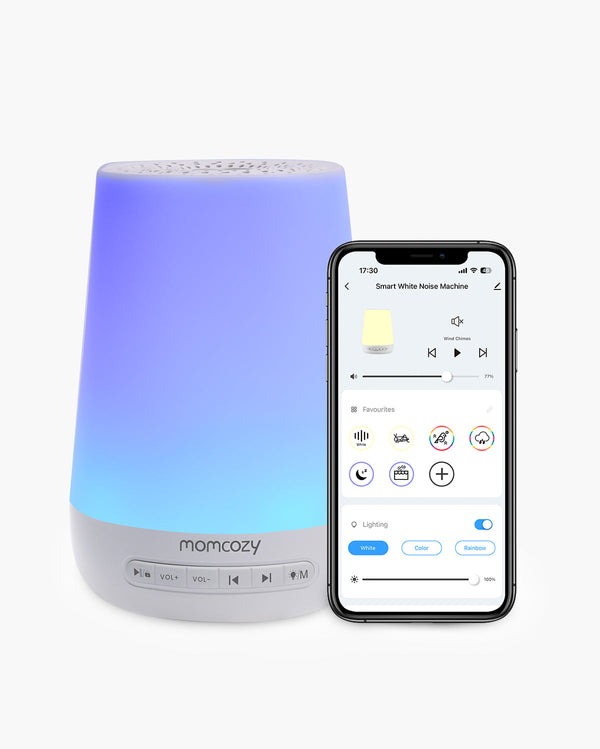
El ruido blanco puede ser muy útil para bloquear los sonidos del hogar y crear un entorno de sueño constante. Coloca la máquina de ruido blanco a una distancia segura de la cuna y con un volumen similar al sonido de una ducha, de modo que genere un sonido ambiental agradable sin estar demasiado cerca del bebé. Si buscas una opción práctica, la máquina inteligente de ruido blanco para bebés Momcozy ofrece 34 sonidos relajantes y control mediante aplicación, lo que te permite ajustar la configuración sin entrar en la habitación ni interrumpir el descanso de tu bebé.
App Control Remoto
Rutina Dormir-Despertar
Luz LED 7 Colores
34 Sonidos
La cuna no debe contener mantas, almohadas ni peluches. Lo más seguro es utilizar únicamente un colchón firme con una sábana ajustable. Si tu bebé ya puede ponerse de pie sujetándose de los barrotes, asegúrate de que el colchón esté en la posición más baja. Un saco de dormir suele ser una alternativa más segura y cómoda que las mantas sueltas.
Cómo ayudar a un bebé de un año a quedarse dormido
A veces, conseguir que un bebé de un año se duerma puede ser todo un reto. Presta atención a las señales de sueño, como frotarse los ojos, bostezar o mostrarse irritable. Estas señales indican que ha llegado el momento de iniciar la rutina para dormir. Acostar a tu bebé cuando tiene sueño, pero aún está despierto, le ayuda a desarrollar gradualmente la capacidad de calmarse y dormirse por sí mismo.
Evita las pantallas durante la hora previa a dormir, ya que la luz azul puede interferir con la producción de melatonina. Para brindarles consuelo, ofréceles un objeto de apego, como su manta favorita. Solo asegúrate de que sea adecuado y seguro para su edad.
La constancia es fundamental. Repetir las mismas actividades a la misma hora cada día ayuda a que tu bebé sepa qué esperar y favorece hábitos de sueño saludables.
Métodos para enseñar a dormir
A los 12 meses, la mayoría de los bebés están preparados para comenzar un proceso de aprendizaje del sueño siempre que gocen de buena salud y su pediatra confirme que ya no necesitan alimentarse durante la noche.
Somnoliento, pero despierto
El método de acostar al bebé cuando está somnoliento, pero aún despierto, suele ser uno de los más sencillos. Completa la rutina para dormir, acuesta a tu bebé en la cuna con los ojos abiertos y sal de la habitación. Si llora, espera entre tres y cinco minutos antes de volver a entrar para comprobar que todo está bien. La primera noche suele ser la más difícil y algunos bebés pueden llorar durante bastante tiempo. Sin embargo, la mayoría muestra mejoras en un plazo de dos semanas.
Retirada gradual
Durante las primeras dos o tres noches, coloca una silla junto a la cuna. Luego, a lo largo de los siguientes diez a catorce días, ve moviéndola poco a poco, primero a mitad de camino hacia la puerta, después al pasillo y, por último, fuera de la habitación. Este método requiere más tiempo, pero suele ser más llevadero tanto para los padres como para el bebé.
Método de comprobaciones periódicas
Para hacer revisiones breves, espera cada vez más tiempo entre una visita y la siguiente (de 5 a 10 minutos la segunda noche, frente a intervalos de 3 a 10 minutos la primera noche). Si es necesario, dale unas suaves palmadas en la espalda y dile "a dormir", pero no lo cargues.
Independientemente del método que elijas, la constancia es más importante que la técnica en sí. Intenta mantener el mismo enfoque durante al menos una semana antes de decidir si funciona o no.
Problemas frecuentes de sueño
Se despierta durante la noche
Empieza por comprobar lo básico: si tiene el pañal mojado, si la temperatura de la habitación es adecuada o si se encuentra en una posición incómoda. La forma de llorar puede ofrecer pistas sobre la causa del despertar.
Si comienza a llorar inmediatamente y se calma cuando entras en la habitación, es posible que se trate de ansiedad por separación. En ese caso, tranquilízalo con una voz suave y unas palmaditas en la espalda sin necesidad de cogerlo en brazos.
Si, por el contrario, llora más cuando te acercas o arquea el cuerpo alejándose, podría estar experimentando dolor o malestar. Comprueba si tiene fiebre superior a 38 °C (100,4 °F), babeo excesivo o si se toca las orejas con frecuencia, ya que podrían ser señales de dentición o de una infección de oído.
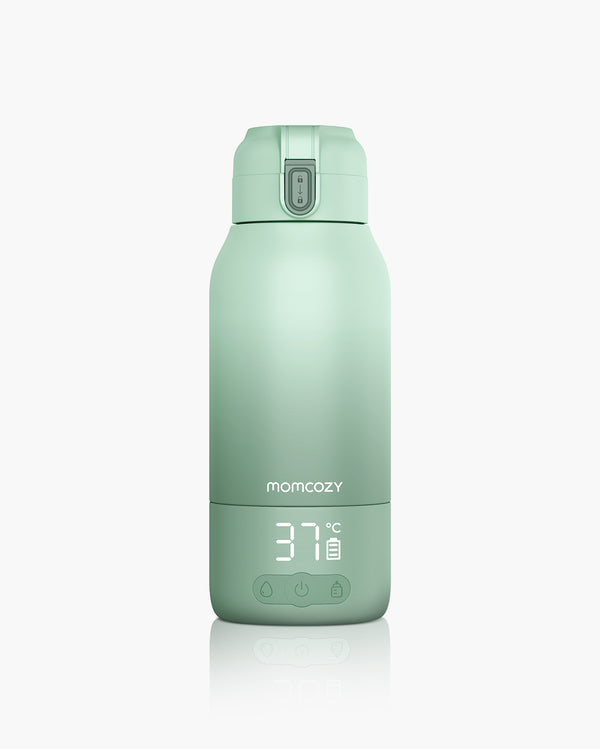
Para los bebés que todavía necesitan una toma nocturna durante estos periodos de sueño inquieto, la tranquilidad y la practicidad son fundamentales. El calentador de biberones NightPro de Momcozy para las tomas nocturnas puede facilitar mucho estas tomas. Cuenta con un depósito de agua transparente y una suave luz nocturna de dos niveles que permite ver el nivel del agua sin necesidad de encender luces intensas. Además, calienta la leche de forma rápida y uniforme, muestra el progreso en tiempo real y ofrece funciones prácticas como memoria de configuración, programación anticipada y mantenimiento de la temperatura durante una hora. También incorpora un diseño que ayuda a reducir la acumulación de residuos para facilitar la limpieza. Si buscas más opciones para las tomas nocturnas, puedes explorar la gama de calentadores de biberones de Momcozy.
Calentamiento preciso
Baño maría
Mantiene caliente
Leche Materna y Agua
Calentamiento Rápido
Batería de Larga Duración
Si tu bebé parece confundido y tiene la mirada perdida o vidriosa, es posible que esté experimentando un terror nocturno. No intentes despertarlo. Limítate a comprobar que esté seguro y espera entre 10 y 15 minutos a que el episodio termine.
No duerme lo suficiente por la noche
Durante una semana, anota la hora exacta a la que se despierta, cuánto dura el episodio y cómo reaccionas. Los patrones suelen hacerse evidentes rápidamente.
Si el despertar ocurre siempre a la misma hora (por ejemplo, a las 2:00 a. m.), probablemente se haya convertido en un hábito. En ese caso, intenta retrasar tu respuesta dos minutos más cada noche. Si los despertares ocurren a horas variables, revisa factores ambientales como la temperatura o el nivel de ruido de la habitación.
Si tu bebé se despierta aproximadamente cada 45 minutos, podría tratarse de una asociación de sueño. En ese caso, es posible que necesite ayuda para aprender a enlazar un ciclo de sueño con el siguiente.
Se despierta llorando desconsoladamente
Cuando un bebé tiene un terror nocturno, no llega a despertarse por completo y normalmente no recordará lo sucedido al día siguiente. No intentes despertarlo; simplemente asegúrate de que esté seguro y espera entre 10 y 15 minutos a que pase.
Si los episodios ocurren aproximadamente a la misma hora cada noche, puedes intentar despertarlo suavemente unos 15 minutos antes de la hora habitual del episodio para interrumpir temporalmente el patrón de sueño. Si se despierta llorando debido al dolor causado por la dentición o por una enfermedad, consulta con su pediatra cuál es la mejor forma de aliviar las molestias durante la noche.
Desarrolla hábitos de sueño saludables
Aprender a responder a las necesidades de sueño de tu bebé de un año puede parecer complicado al principio, pero comprender sus necesidades te ayudará a establecer rutinas más efectivas. Procura que duerma entre 13 y 14 horas cada 24 horas y mantén una hora de acostarse constante, idealmente entre las 7:00 y las 8:00 p. m., para evitar que llegue demasiado cansado al final del día.
Los problemas de sueño forman parte normal del crecimiento y el desarrollo. La constancia que demuestres hoy contribuirá a sentar las bases de hábitos de sueño saludables para el futuro. En Momcozy, queremos acompañarte en cada etapa de la crianza. ¡Lo estás haciendo muy bien!