Sacaleches
Electric Breast Pumps: Wearable & Hands-Free
Why Breast Pumps are Essential for New Mothers
Breastfeeding provides essential nutrition for your baby, but modern life often demands flexibility. A high-quality breast pump bridges the gap between providing breast milk and maintaining your independence. Whether you are returning to work, need to share feeding duties with a partner, or simply want to relieve engorgement, having a reliable breast milk pump is crucial.
For many moms, the goal is to continue providing breast milk without being tethered to a wall outlet or stuck in a dedicated nursing room. With wearable pumps, this goal becomes even more achievable for moms on the go. This is where modern technology steps in. The right electric breast pump allows you to maintain your milk supply on your own terms, offering the freedom to move, multitask, or relax while you express breast milk with wearable pumps.
Types of Breast Pumps
Understanding the different tools available is the first step to a successful pumping journey. The market offers various options, from heavy-duty hospital units to discreet wearable devices.
Comparison of Breast Pump Types
Use the table below to compare the best breast pumps and see which aligns with your breastfeeding lifestyle.
| Type | Best For | Key Feature |
| Electric Breast Pumps | Daily use, establishing supply | Strong, consistent suction with adjustable modes for efficient breast milk collection. |
| Portable / Wireless Pumps | Travel, work, active moms | Battery-operated, no cords, easy to transport. Many models come with different modes suited for various needs, from stimulation to expression. |
| Wearable / Hands-Free Pumps | Multitasking, privacy, working | Fits inside the bra, completely tube-free. Discreetly wearable, offering privacy, and multitasking ease. They typically include various shield sizes to ensure a proper fit and comfort. |
| Warm Massage Pumps | Sensitive breasts, clogged ducts | Continuous warmth + vibration to improve flow. |
| Manual Pumps | Occasional use, backup | Quiet, lightweight, requires hand power. |
| Hospital-Grade Pumps | Medical needs, low supply issues | Heavy-duty motor, multi-user capability. |
Electric Breast Pumps
Electric breast pumps are usually the strongest type you can buy and are the standard for mothers who pump frequently. They utilize a motor to create consistent suction, which is often more effective for emptying the breast than manual methods. An electric milk pump offers consistent rhythm and strength, which saves time and effort. Most Momcozy pumps are double pumps that can also work as single pumps, giving you versatility.
Portable Breast Pumps (Battery-Operated/Cordless/Wireless)
Gone are the days of searching for a power outlet. A cordless breast pump (or wireless breast pump) runs on a rechargeable battery. These are designed for mobility. Momcozy’s electric pumps are built to be the best portable breast pump options, ensuring you get strong performance without the wire. Modern motor technology allows compact devices like the Momcozy S12 Pro to deliver substantial suction that matches many traditional, bulkier units. Momcozy makes it easy by including multiple modes, ensuring you find the best setting for you.
Wearable Breast Pumps (Hands-Free Breast Pumps)
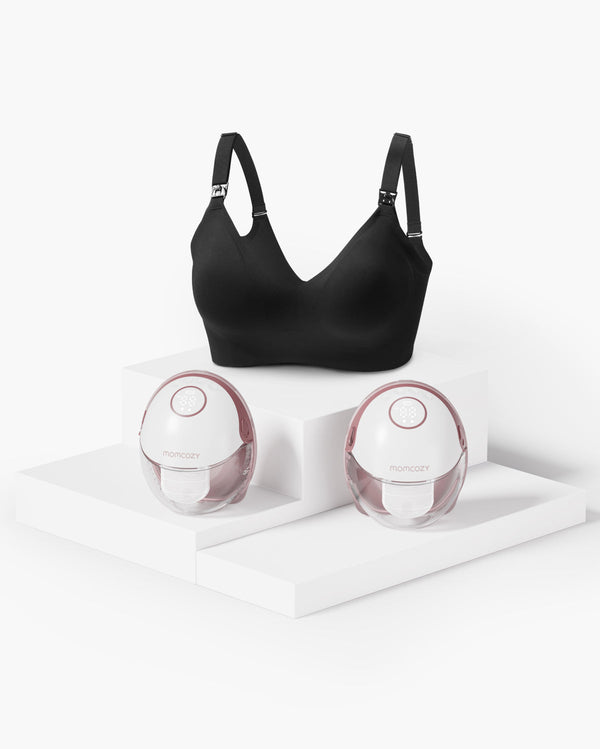
For the ultimate freedom, a wearable/hands free breast pump is the top choice. These units fit entirely inside your nursing bra. With no tubes and no wires, they allow you to work on a laptop, fold laundry, or hold your baby while pumping. Because they are discreet and self-contained, devices like the Momcozy Mobile Flow or M5 are perfect for use in parks, during commutes, or at outdoor events.
Manual Breast Pumps
Manual pumps rely on hand power to create suction. They are simple, silent, and very affordable. While not ideal for exclusive pumping, they serve as excellent backups for travel or relief from engorgement when you don't want to set up an electric unit.
Hospital-Grade Breast Pumps
These are extra-strong electric pumps usually found in clinical settings. They are built with powerful motors designed to help mothers with medical challenges or those needing to jumpstart a low milk supply. Some modern personal pumps, like the Momcozy V1 Pro, now offer power levels comparable to these hospital units.
Choosing the Right Breast Pump
Selecting the best electric pump for breastfeeding depends on your specific daily routine. Here are the factors to consider:
- Suction Power and Settings: Look for pumps with adjustable levels (like Momcozy's 9-15 levels) to find a setting that mimics your baby’s nursing pattern.
- Type of Pumping: If you pump exclusively, prioritize a double pump with a robust motor. For occasional use, a smaller unit works well.
- Comfort: The flange (the part touching the breast) must fit correctly. Soft silicone flanges offer a "baby mouth" feel for a painless experience. This includes accounting for the shield and its fit.
- Portability: If you commute or travel, a compact portable breast pump with a carrying case is essential.
- Noise Level: For office use or pumping near a sleeping baby, check the decibel rating. Ideally, it should be under 50dB.
- Battery Life: Ensure the battery lasts for 3-5 pumping sessions (approx. 120-180 minutes, depending on intensity settings).
- Premium Features (App Control & Warm Massage): Features like the Momcozy W1's warm massage help clear clogged ducts and stimulate faster let-down, while App-control (like in the Mobile Flow) allows you to track milk volume and settings from your phone.
Insurance Coverage for Breast Pumps
In the United States, most health insurance plans are required to cover the cost of a breast pump.
- Understanding Your Benefits: Coverage varies by plan—some cover rental costs, while others cover the purchase of a personal electric breast pump. Note that advanced "wearable" models may sometimes be classified as an upgrade requiring a small co-pay.
- How to Obtain: Contact your insurance provider. Many moms can order a Momcozy pump through third-party durable medical equipment (DME) suppliers. Alternatively, you can purchase a best breast pump directly and submit the receipt for reimbursement if your plan allows (check your FSA/HSA eligibility as well).
How to Clean and Maintain Breast Pumps
Hygiene is non-negotiable when handling breast milk. Keeping your pump clean is vital for both hygiene and performance.
- Rinse: Immediately after use, rinse all parts that touched milk with cool water.
- Wash: Use warm, soapy water to clean the pump parts, including flanges, valves, and connectors.
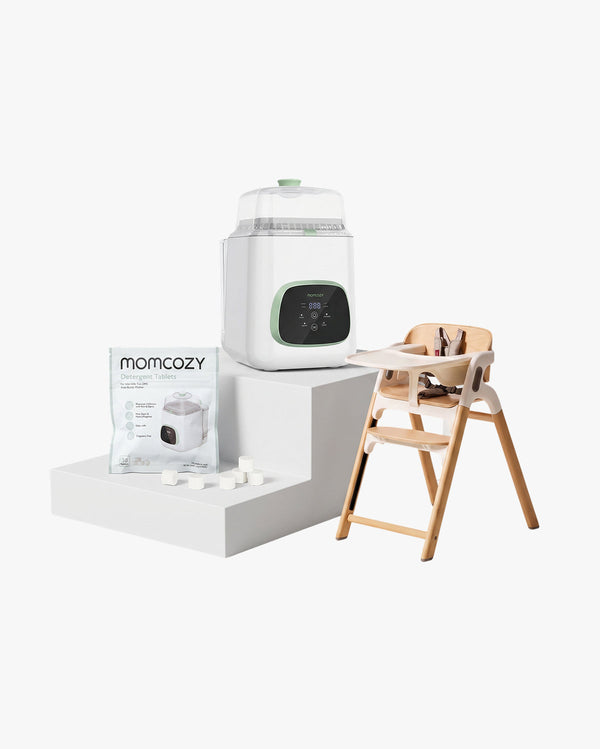
- Sterilize: Sanitize parts once a day using boiling water, steam, or a dedicated device like the Momcozy KleanPal Pro.
- Dry: Air drying on a clean surface is critical to prevent mold.
Breast Pumps and Milk Supply
How often should I use a breast pump to maintain my milk supply?
To keep production high, aim to pump every 2 to 3 hours, mimicking a newborn's feeding schedule (8-12 times per day).
Can I use a breast pump if I have a low milk supply?
Yes. Pumping signals your body to make more milk. Techniques like "power pumping" or using the W1 Warm Massage pump to stimulate let-down can be very effective in boosting supply.
Advantages of Momcozy Breast Pumps
What are Momcozy breast pumps indicated for?
They are designed to provide efficient, comfortable, and hands-free milk expression for busy mothers.
Are Momcozy breast pumps covered by insurance?
Yes, many Momcozy models are available through insurance providers and DME suppliers.
Are Momcozy breast pumps suitable for moms of all breast sizes?
Yes. This includes accounting for nipple shield fits, thereby providing utmost comfort. Fit is determined by nipple size, not cup size. Momcozy provides various flange inserts (17mm-21mm) and standard 24mm/27mm flanges to ensure a perfect fit for everyone.
Proper Milk Storage Techniques
- Room Temperature: Good for up to 4 hours.
- Refrigerator: Good for up to 4 days.
- Freezer: Good for 6 months (optimal) to 12 months. Use containers easy to store, like bottles. These bottles must be made from materials that maintain milk quality.
Always use storage bags or bottles specifically designed for human milk. Momcozy storage bags are pre-sterilized and feature temperature sensors.