Jonice Ward dice que la lactancia suele presentarse como algo natural, fácil e instintivo; sin embargo, para muchas madres, la realidad es mucho más compleja. Aunque puede ser profundamente significativa, también puede resultar físicamente dolorosa, mentalmente agotadora o emocionalmente pesada. Si la lactancia está empezando a sentirse como demasiado, ten presente esto: no estás fallando—estás respondiendo a demandas reales sobre tu cuerpo y tu mente.
Reconocer el estrés a tiempo es clave. Estas señales no son signos de debilidad, sino mensajes. Cuando se identifican de manera temprana, pueden ayudarte a proteger tu bienestar, preservar tu experiencia de lactancia y avanzar con claridad en lugar de culpa.
Reconocer las señales de estrés a tiempo
Aprende a identificar las señales emocionales y físicas que indican que la lactancia puede estar resultando abrumadora.
El estrés suele manifestarse de forma sutil antes de volverse abrumador. Prestar atención tanto a las señales emocionales como físicas puede ayudarte a intervenir a tiempo.
Señales emocionales de estrés durante la lactancia
Estas señales suelen aparecer primero y es fácil pasarlas por alto—pero merecen atención.
Agotamiento emocional
La lactancia exige una respuesta constante—tanto física como emocional. Con el tiempo, esto puede agotar tus reservas emocionales, especialmente cuando las tomas son frecuentes o difíciles. El agotamiento emocional puede manifestarse como una sensación de desconexión, irritabilidad o incluso entumecimiento emocional. Estos sentimientos no significan que la lactancia no sea valiosa para ti. A menudo indican que estás dando más de lo que puedes reponer.
Sensación de agobio o de estar atrapada
Cuando la lactancia se convierte en el eje que organiza todo tu día, puede parecer que has perdido autonomía. Sentirse atrapada no significa que no ames a tu bebé—significa que necesitas más flexibilidad, opciones o una responsabilidad compartida. Estas emociones son especialmente comunes cuando el apoyo es irregular o cuando las expectativas se perciben como rígidas.
Ansiedad en torno a las tomas
La ansiedad puede convertir la alimentación en una cuenta regresiva mental: ¿cuándo será la próxima toma?, ¿esa contó?, ¿lo estoy haciendo bien? Cuando el estrés aumenta en lugar de disminuir con la experiencia, puede interferir con tu capacidad de descansar o disfrutar el tiempo con tu bebé. La ansiedad persistente es una señal de que conviene hacer una pausa y buscar orientación o apoyo.
Señales físicas de estrés durante la lactancia
Tu cuerpo asume gran parte del esfuerzo—y te lo hará saber cuando necesite cuidado.
Fatiga física
La lactancia implica demandas físicas constantes, a menudo acompañadas de falta de sueño. La fatiga crónica puede afectar la concentración, el estado de ánimo y la recuperación. Si el cansancio se siente continuo en lugar de temporal, es una señal de que tu cuerpo necesita más descanso, alimentación adecuada o apoyo.
Dolor o molestias persistentes Yang Qishu
El dolor es una de las razones más comunes por las que la lactancia se vuelve difícil de sostener. Aunque la sensibilidad inicial puede ser normal, el dolor continuo no es algo que debas soportar en silencio. Abordarlo a tiempo protege tanto tu salud física como tu relación emocional con la lactancia.

Por qué estas señales son importantes
El estrés no atendido puede afectar el descanso, la recuperación, la salud emocional e incluso el suministro de leche—añadiendo más presión a una experiencia que ya es exigente. Actuar a tiempo ayuda a proteger tanto tu bienestar como tu proceso de lactancia.
Formas de encontrar apoyo
Estrategias prácticas para aliviar la carga, mejorar la comodidad y mantener el suministro de leche.
Buscar apoyo no significa rendirse--sino darte la oportunidad de respirar.
Consulta con una especialista en lactancia
Una consultora de lactancia certificada (IBCLC) puede ayudarte a mejorar el agarre, reducir el dolor y crear un plan de alimentación que se adapte a tu vida—no a las expectativas de otras personas.
Comparte la carga
Tu pareja, familiares o personas de confianza pueden ayudarte con sacar los gases al bebé, cambiar pañales, darle leche extraída en biberón o simplemente sostenerlo para que puedas descansar.

Incorpora la extracción de forma estratégica
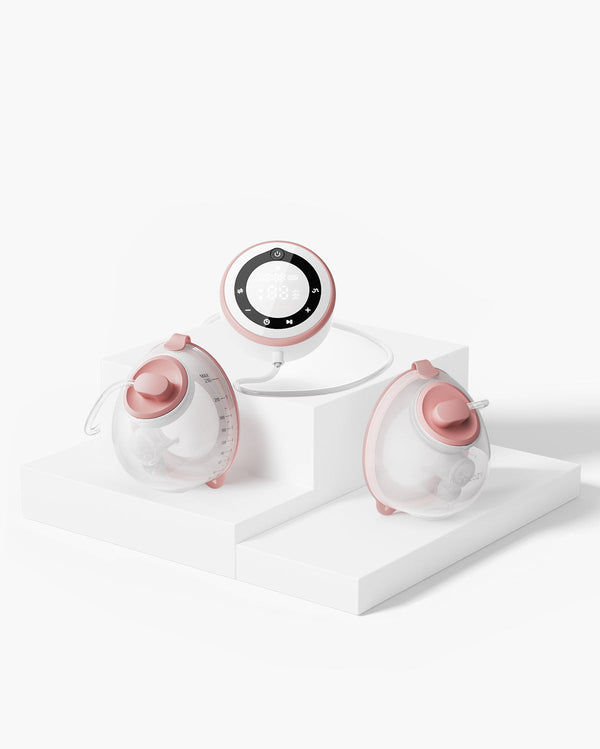
La extracción puede brindarte flexibilidad, permitir que otras personas participen en la alimentación y ayudarte a mantener el suministro de leche mientras te da los descansos que necesitas.
Prioriza el autocuidado
La hidratación, la alimentación y el descanso son fundamentales. Incluso pequeños momentos—como una ducha, una caminata breve o una siesta—pueden ayudarte a recuperar energía y resiliencia.
Busca apoyo emocional
Conectar con un terapeuta, unirte a un grupo de apoyo o hablar con otras madres que amamantan puede recordarte que no estás sola—y que nunca lo has estado.
Recuerda: tu bienestar también importa
Una experiencia de alimentación saludable beneficia tanto a la madre como al bebé—el autocuidado es esencial. Si la lactancia se siente como si fuera demasiado, no significa que hayas fallado—sino que estás escuchándote. Con el apoyo y la comprensión adecuados, puedes definir qué significa una alimentación exitosa para tu familia.