El cómo aliviar la congestión mamaria es una preocupación común entre las mamás que están dando de lactar y experimentan dolor o molestias debido a la acumulación excesiva de leche en los senos. La congestión mamaria es uno de los retos más difíciles durante la lactancia, pero conocer estrategias efectivas para aliviarla puede marcar una gran diferencia.
¿Cómo se sienten los senos congestionados?
Los senos congestionados pueden sentirse pesados y tensos, y a menudo vienen acompañados de molestias o sensibilidad. También pueden verse hinchados, brillantes y un poco más tensos de lo habitual. Esta congestión suele deberse a un aumento en la producción de leche o a cambios hormonales. Por eso, es importante tratarla a tiempo, tanto para mayor comodidad como para evitar posibles complicaciones.

¿Cómo aliviar la congestión mamaria: consejos y trucos?
La congestión mamaria es uno de los problemas comunes que enfrentan las madres lactantes. Se caracteriza por pechos hinchados y dolorosos debido al exceso de leche. A pesar de las molestias, existen formas eficaces de aliviar el dolor y recuperar el equilibrio.
Aquí tienes algunos consejos y trucos útiles para aliviar la congestión mamaria:
- Lactancia frecuente: Amamanta al bebé tan seguido como sea posible para reducir la acumulación de leche y estimular el flujo.
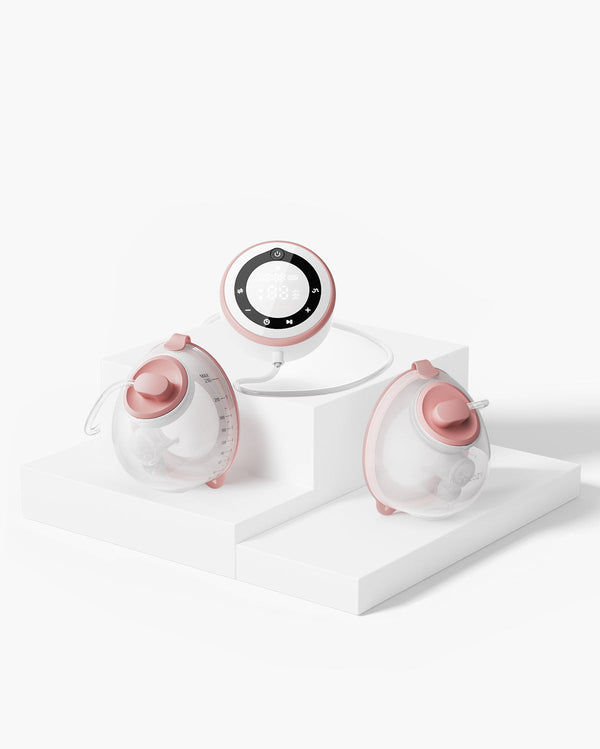
- Extracción de leche: Si el bebé no se prende bien al pecho, usar un sacaleches portátil puede ayudar a aliviar la tensión recolectando el exceso de leche.
-
Compresas calientes: Puedes poner una compresa tibia sobre el pecho antes de amamantar o extraer leche. Esto ayuda a ablandar el tejido mamario y favorecer el flujo de leche.
- Compresas frías: Después de amamantar, coloca una compresa fría o una bolsa de hielo para reducir la inflamación y el dolor.
- Masajear los senos: Realiza masajes suaves en los senos mientras amamantas o extraes leche, ayuda al flujo de leche.
- Cambiar de posición al amamantar: Prueba diferentes posiciones al dar de lactar para asegurarse de que el bebé tenga un buen agarre.
- Mantenerse hidratada : Beber suficiente agua es clave para favorecer la producción de leche y evitar la deshidratación. Además, el agua y los alimentos son una gran fuente de energía durante la lactancia.
- Usar ropa cómoda: Cuando estes dando de lactar, evita el uso de ropa o brasieres apretados, ya que pueden obstruir el flujo de leche.
- Practicar técnicas de relajación: El estrés puede empeorar la congestión mamaria. Prueba la respiración u otras técnicas y ejercicios de relajación que te hagan sentirte más relajado.
¿Qué no hacer durante el tratamiento de la congestión mamaria?
Si estás experimentando congestión mamaria, es importante evitar ciertas acciones que podrían empeorar el dolor:
- Saltar sesiones de lactancia: Evita dejar pasar mucho tiempo entre una toma y otra, ya que esto puede causar mayor congestión.
- Usar brasieres muy ajustados: No uses los que presionen demasiado los pechos, ya que pueden causar molestias y dificultar el flujo de leche.
- Ignorar el dolor: No minimices el dolor, sobre todo si se vuelve intenso. Si el dolor y malestar se vuelven difíciles de manejar, consulta con un profesional de salud.
- Extraer leche en exceso : Las extracciones frecuentes pueden provocar una sobreproducción de leche y empeorar la congestión.
- Ducharte con agua muy caliente : Aunque las compresas tibias pueden ayudar con el dolor e hinchazón, ducharse con agua demasiado caliente puede aumentar esos síntomas. Es más recomendable bañarse con agua tibia.
- Retrasar el tratamiento: No es recomendable retrasar el tratamiento para la congestión mamaria. Actuar a tiempo es fundamental para sentir alivio y evitar complicaciones.

Consejos para prevenir la congestión mamaria
Aunque la congestión mamaria puede ser una parte inevitable del proceso de lactancia, hay algunos consejos que pueden ayudarte a evitar que ocurra con frecuencia:
Amamanta con regularidad: Es importante dar de lactar a tu bebé entre 8 y 12 veces al día durante los primeros meses de vida para establecer y regular el suministro de leche. Siempre que sea posible, crea un horario constante de alimentación o extracción.
Verifica el agarre del bebé: La forma en que el bebé se prende al pecho influye en la cantidad de leche que logra extraer. Prueba distintas formas de ayudarlo a lograr un buen agarre para prevenir la congestión mamaria.
No limites el tiempo de lactancia:Los bebés suelen amamantar entre 15 y 20 minutos por cada pecho. Sigue el ritmo de tu bebé y deja que lacte hasta que quede satisfecho tras alimentarse de ambos pechos. Alterna los senos en cada toma para que tu cuerpo sepa cuánta leche necesita producir para tu pequeño.
Date un buen masaje: Masajear de manera suave tus pechos mientras amamantas o extraer leche favorece el flujo y la salida de la leche. Un masajeador para senos puede ayudarte con este proceso. El masajeador Momcozy tiene un efecto vibratorio y de calentamiento que ayuda a aliviar el dolor y la sensibilidad causados por la congestión.

Extrae leche para aliviar la presión: A veces, los bebés no quieren mamar, lo que provoca congestión mamaria. La extracción de leche ayuda a aliviar la presión. El Momcozy M9 tiene una potencia de succión de -300 mmHg, lo que ayuda a aliviar la presión mientras te brinda comodidad. Este extractor de leche portátil tiene funciones fáciles de usar que te permiten extraer leche sin esfuerzo incluso de noche, mientras trabajas o realizas otras tareas.




Preguntas frecuentes sobre el alivio de la congestión mamaria:
¿Cómo extraer leche manualmente para aliviar la congestión?
Para aliviar la congestión mamaria mediante la extracción manual, puedes seguir estos pasos:
- Lávate bien las manos, busca una posición cómoda y ten a la mano un recipiente limpio para la leche.
- Masajea suavemente tus senos con movimientos largos desde la axila hacia el pezón.
- Coloca tu mano en forma de “C” alrededor del pecho usando el pulgar y los dedos. Imagina que tu pecho es un reloj, el pulgar debe estar a las 12 en punto y los dedos a las 6.
- Presiona suavemente el pulgar y los dedos entre sí, luego suéltalos y repite. Puede tomar algunos minutos para que comience a salir la leche, pero solo mantén un ritmo constante.
- Si notas que el flujo de leche disminuye, cambia de zona y repite el proceso.
- Una vez que termines con un seno, pasa al otro y repite el mismo procedimiento.
¿Cuánto tiempo debo extractor leche para aliviar la congestión?
Cuando uses un sacaleche, lo ideal es hacerlo por un periodo corto, entre 5 y 10 minutos, solo para liberar la presión. Ya que extraer por mucho tiempo puede prolongar la congestión o incluso empeorarla.
¿Cuánto tiempo dura la congestión mamaria?
Durante el posparto temprano, la congestión suele durar algunas semanas después del parto. En general, la congestión mamaria puede durar entre 24 y 48 horas si se trata adecuadamente, pero puede prolongarse durante varios días si no se atiende.
¿Es mejor aplicar calor o frío para la congestión?
Ambos métodos pueden ayudar a aliviar la congestión mamaria. Tomar una ducha tibia antes de amamantar o colocar una toalla caliente sobre el pecho puede ayudar a estimular el flujo de leche. Por otro lado, aplicar compresas frías entre tomas puede reducir la hinchazón y aliviar el dolor. Both ways can help relieve breast engorgement.
¿Qué empeora la congestión mamaria?
La congestión mamaria puede empeorar si:
- Extraes demasiada leche: Sacarte más leche de la necesaria puede hacer que produzcas aún más, empeorando el problema. Lo ideal es extraer solo lo suficiente para sentir alivio.
- Das de lactar con poca frecuencia: Si no amamantas o no usas un extractor con regularidad, la leche se acumula y puede aumentar la congestión.
- El bebé no se prende bien: Si no hay un buen agarre, el bebé no podrá tomar toda la leche del pecho, lo que puede empeorar la situación.
- Interrumpes la lactancia de forma repentina: Si dejas de dar de lactar o cambias la frecuencia de manera brusca, puede aparecer o aumentar la congestión.
¿Cómo aliviar la congestión mamaria durante la noche?
Puedes aliviarla o evitar que empeore durante la noche con estos consejos:
Extrae leche o da de lactar: Intenta vaciar, es decir sacar toda la leche de tus pechos antes de dormir, ya sea amamantando a tu bebé o usando un extractor por unos minutos.
Aplica compresas frías: Colocar compresas frías antes de acostarte puede ayudar a reducir la hinchazón y el malestar.
Dormir en posición reclinada: Usa almohadas para recostarte en una posición semi inclinada y aliviar la presión en el pecho.
Usa un brasier cómodo y con buen soporte: Un sujetador adecuado puede ayudar a que el pecho se sienta más cómodo.
Toma analgésicos si es necesario: Siempre con recomendación médica, puedes tomar ibuprofeno o paracetamol.

Conclusión
Manejar la congestión mamaria es fundamental para el bienestar y la comodidad de las madres lactantes. Reconocer sus signos permite aliviarla de forma más efectiva y evitar prácticas que puedan empeorarla. La congestión mamaria se puede superar si las madres mantienen un cuidado proactivo, no solo de sus senos, sino también de sí mismas. Recuerda que, si el dolor o las molestias persisten, buscar ayuda profesional te brindará el apoyo y la orientación necesarios en esta hermosa etapa de la lactancia.