Pasar del pecho al biberón puede resultar complicado, pero no tiene por qué ser así. Ya sea que estás regresando de trabajar, utilizas el biberón por comodidad o simplemente quieres darte un respiro, con el enfoque adecuado, este cambio puede ser más fluido de lo que te imaginas. Vamos a descubrir algunos pasos sencillos para ayudar a tu bebé a adaptarse y mantener tu rutina de alimentación sin estrés.
¿Cómo conseguir que un bebé lactante pase del pecho al biberón?
Hacer el cambio del pecho al biberón puede ser un poco complicado, tanto para ti como para tu bebé. No se trata sólo de cambiar su forma de comer, sino de acostumbrarlo a una nueva rutina. Sigue estos pasos clave para que la transición sea más fluida:
- Introduce el biberón gradualmente, ya que hacerlo demasiado pronto puede aumentar el riesgo de confusión con el pezón y dificultar la transición.
- Elige el biberón y la tetina adecuados. Busca tetinas que se asemejen lo más posible al pecho. Las tetinas blandas y anchas suelen ser una buena elección, ya que se asemejan a la forma y el tacto del pecho. Prueba con otras tetinas si tu bebé rechaza el biberón.
- Deja que otra persona alimente al bebé. Los bebés suelen asociar el pecho con la comodidad y la alimentación. Por eso, la primera sesión de alimentación con biberón puede resultar más fluida si otra persona (como el padre o niñero) le da el biberón. Esto reduce la confusión y ayuda al bebé a centrarse en el biberón en lugar de buscar el pecho.
- Prueba primero con la leche materna. Si sigues dándole el pecho, prueba a extraer leche materna y dársela en el biberón antes de utilizar leche de fórmula. Los bebés acostumbrados a la leche materna pueden estar más dispuestos a aceptar un biberón con leche conocida.
¿Cuándo darle biberón al bebé lactante?
El momento en que se introduce el biberón es importante. Puedes recurrir a las siguientes pautas:
- Espera a que la lactancia se desarrolle con normalidad, alrededor de las 3 o 4 semanas. De esta forma, el bebé tendrá tiempo de agarrarse bien al pecho y evitarás que se confunda de pezón y empiece a preferir el biberón al pecho.
- ¿Piensas volver al trabajo? Es una buena idea empezar a darle el biberón unas semanas antes de volver al trabajo. De esta forma, el bebé tendrá tiempo de adaptarse al nuevo método de alimentación sin estrés.
- ¿Quieres complementar la alimentación con leche de fórmula? Una vez que tu bebé se sienta cómodo con la leche materna del biberón, puedes empezar a mezclar pequeñas cantidades de leche de fórmula. Así se acostumbrará tanto al biberón como al sabor de la leche de fórmula.
- ¿Al bebé no le gusta el biberón? Algunos bebés pueden resistirse si son demasiado pequeños o demasiado mayores. El momento ideal para incorporar el biberón suele ser entre las 3 y las 6 semanas, pero los bebés más grandes pueden hacer la transición con un poco de paciencia.
¿Cómo darle el biberón a un bebé?
Alimentar a un bebé con biberón puede parecer pan comido, pero hay algunos puntos clave que debes tener en cuenta para asegurarte de que tu bebé tenga una experiencia de alimentación agradable:

- Sujeta a tu bebé en una posición parcialmente erguido, igual que cuando le das el pecho. Mantenlo cerca de ti y sujeta el biberón en posición horizontal. Esto reduce el flujo de leche, imitando el proceso de lactancia y facilitando que el bebé se alimente sin atragantarse.
- La alimentación gradual o adaptable es una técnica que imita la lactancia materna permitiendo que el bebé se alimente a su propio ritmo. La técnica consiste en utilizar una tetina de flujo lento, hacer pausas cada 20-30 segundos y dejar que el bebé tome descansos, igual que cuando se le da el pecho.
- Los bebés suelen preferir la leche a temperatura corporal, alrededor de 37 °C. Leche demasiado caliente o demasiado fría puede resultar incómoda y desanimar al bebé.
- Presta atención a las señales que indican que tu bebé está satisfecho. Por ejemplo, si se aparta del biberón, cierra la boca o se niega a succionar. Deja de darle el biberón cuando muestre señales de estar lleno, igual que harías durante la lactancia.
- Aunque la toma del biberón es distinta de la lactancia, sigue siendo importante que establezcas un vínculo afectivo con tu bebé durante la alimentación. Háblale, míralo a los ojos y tranquilízalo durante la toma. El contacto piel con piel también puede ser beneficioso para que el bebé se sienta seguro.
¿Qué no se debería hacer al pasar del pecho al biberón?
Al pasar del pecho al biberón, hay varias prácticas que debes evitar:
- No fuerces la toma del biberón. Si tu bebé lo rechaza, no lo fuerces. Forzar el biberón puede crear un vínculo negativo con la hora de comer. Intenta dárselo a otra hora o de otra manera.
- No le des el biberón muy seguido. Si combinas la lactancia y el biberón, puedes hacer que tu bebé prefiera el biberón. Limítate a ofrecerle cada 3 o 4 horas para que tenga tiempo suficiente de tener hambre.
- No mezcles leche materna y de fórmula en el mismo biberón. Mezclarlas puede reducir el valor nutritivo de la leche materna y provocar que se desperdicien. De ser necesario, ofrécelas por separado.
- No pruebes con demasiados biberones o tetinas. Limítate a un solo tipo o marca. La constancia ayuda al bebé a adaptarse al nuevo método de alimentación.
- No añadas edulcorantes ni sólidos al biberón. Nunca pongas miel, azúcar o cereales de arroz en el biberón. Pueden ser perjudiciales para la salud del bebé y alterar su ritmo de alimentación.
- No te apresures en la transición. Si tu bebé se resiste al biberón, evita estresarlo. Los bebés perciben la tensión, lo que puede hacer que se resistan más a tomar el biberón. La paciencia es clave.
¿Qué hacer si tu bebé no toma el biberón?
Si tu bebé rechaza el biberón, no te asustes. Es un problema habitual y suele formar parte del proceso de transición. Si esto ocurre, puedes hacer lo siguiente:

- Prueba distintos tipos de tetina. Algunos bebés son muy exigentes con el tipo de tetina. Si tu bebé rechaza el biberón, experimenta con otras formas y materiales. Los tipos de tetina que se asemejan a la base ancha del pecho o las tetinas blandas y flexibles pueden ser más agradables.
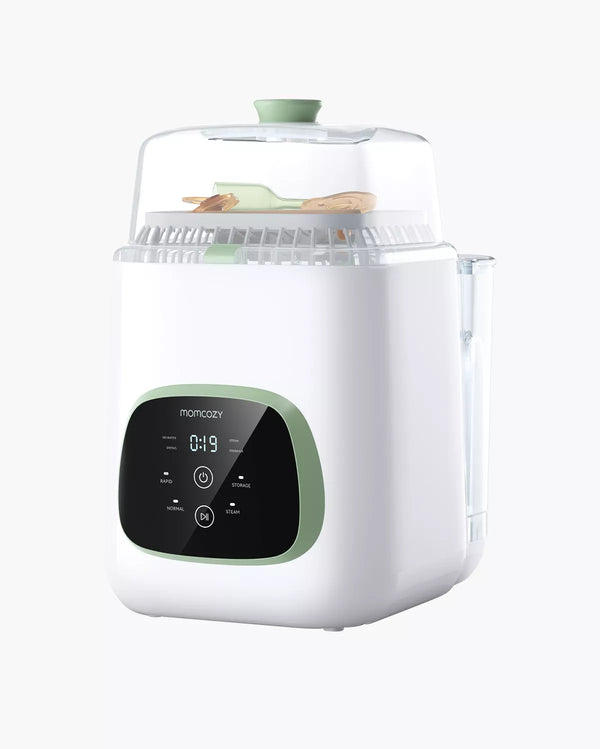
- Cambia la temperatura de la leche. Los bebés suelen preferir la leche que está a la temperatura corporal (alrededor de 37 °C). Si a tu bebé le molesta la temperatura, prueba a calentar o enfriar ligeramente la leche hasta encontrar el equilibrio perfecto. Utilizar un calentador de biberones puede facilitar este proceso, ya que permite calentar la leche a la temperatura ideal de forma constante y segura, sin riesgo de recalentamiento o calentamiento irregular.
- Deja que lo intente otra persona. A veces, los bebés se resisten al biberón de su madre porque lo asocian con la lactancia. Pídele a tu pareja, a un abuelo o a un niñero de confianza que le ofrezca el biberón en su lugar. Esto puede reducir la sensación de confusión y darle a tu bebé la posibilidad de aceptar el biberón sin la expectativa de recibir leche materna.
- Utiliza la leche materna como introducción previa. Moja la tetina del biberón en una pequeña cantidad de leche materna antes de ofrecerle a tu bebé. Este sabor familiar puede animar al bebé a mamar al reconocer el sabor de la leche.
- Ofrécele el biberón cuando no tenga demasiada hambre. Si tu bebé tiene demasiada hambre, puede frustrarse y rechazar el biberón. Intenta ofrecerle el biberón cuando esté tranquilo y no tenga demasiada hambre, por ejemplo 30 minutos después de una toma normal.
- Alimentación progresiva con biberón. Utiliza la alimentación progresiva con biberón, que ralentiza el flujo de leche y permite al bebé succionar y tragar como lo haría durante la lactancia. Esto imita el proceso de dar el pecho y puede animar al bebé a tomar del biberón más cómodamente.
- Sé paciente y constante. El rechazo del biberón suele ser temporal. Sigue intentándolo y sé paciente. Ofrecerle el biberón a la misma hora todos los días puede ayudar a tu bebé a crear una rutina y, finalmente, a aceptar el nuevo método de alimentación.
¿Cómo mantener el suministro de leche materna después de cambiar el pecho por el biberón?
Mantener el suministro de leche materna después de la transición a la alimentación con biberón requiere esfuerzo, especialmente si cambias a la extracción con sacaleches. Sigue estos consejos para mantener una buena producción:
- Intenta sacarte leche a la misma hora a la que lo habrías hecho. Esto ayuda a indicar a tu cuerpo que la producción de leche sigue siendo necesaria.
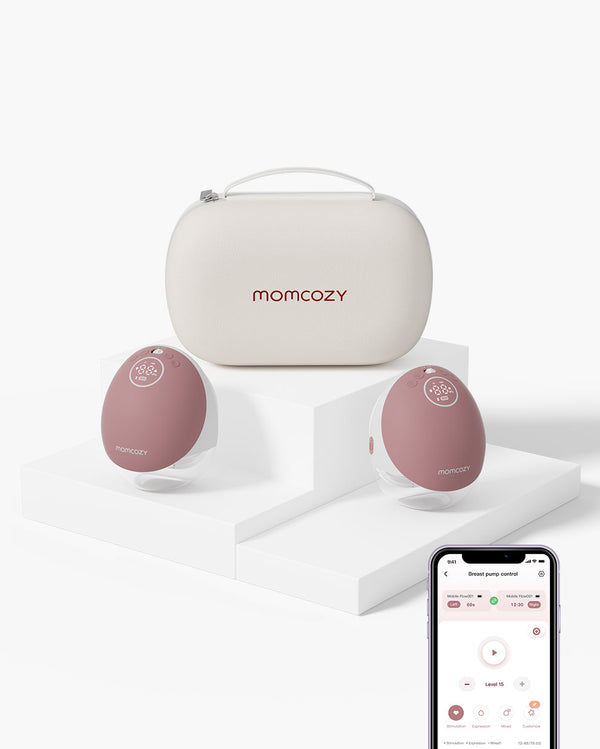
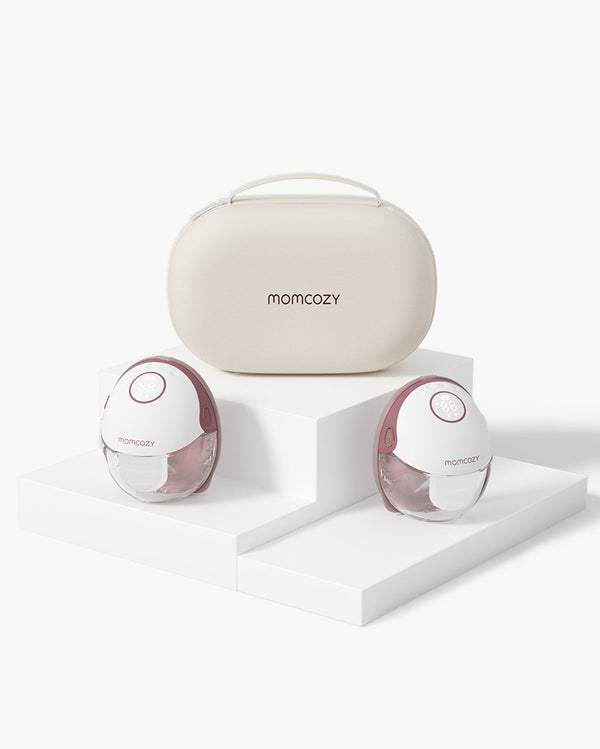
- Utiliza un extractor de leche manos libres. Una de las formas más eficaces de extraerse leche sin interrumpir tu rutina diaria es utilizando un extractor de leche manos libres. El sacaleches manos libres Momcozy Mobile Flow es una excelente opción. Te permitirá sacarte leche de forma discreta mientras sigues con tu rutina diaria, asegurándote de que mantengas tu producción de leche. Puedes obtener más información sobre este sacaleches aquí.
High Efficiency
Expert-Tuned Rhythms
APP Control
Long Battery
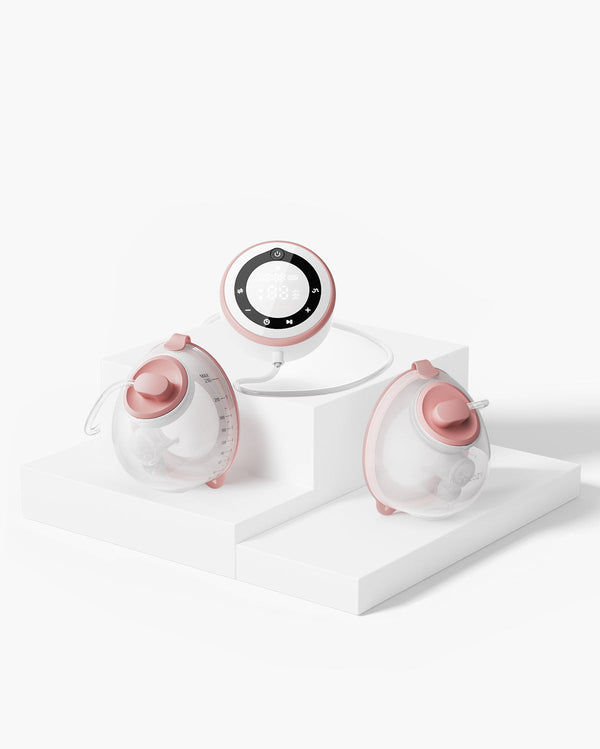
- Utiliza un extractor eléctrico doble si es que puedes, ya que te permite sacarte leche de los dos pechos a la vez, ahorrando tiempo y estimulando la producción de leche de forma más eficaz. Los sacaleches dobles suelen ser más eficaces que los individuales, ya que te ayudan a extraer más leche en menos tiempo.
- Asegúrate de consumir suficientes calorías y líquidos para satisfacer las necesidades de tu cuerpo durante este periodo.
- No te saltes las sesiones de extracción, ya que esto puede indicarle a tu cuerpo que necesita menos leche, lo que podría reducir la producción.
- Si notas que disminuye la producción, considera la posibilidad de aumentar la frecuencia de las sesiones de extracción. Intenta realizar entre 8 y 10 extracciones al día durante las primeras semanas posteriores a la transición.
- La extracción de leche intensiva (20 minutos, 10 minutos de descanso y repetir durante una hora) es una técnica que imita la sesión de tomas seguidas, lo que puede ayudar a aumentar la producción de leche. Hacer esto una vez al día durante unos días puede ayudar a aumentar tu producción.
Preguntas frecuentes
¿Puedo dar el pecho y el biberón al mismo tiempo?
Sí, pero es importante mantener un equilibrio. No le des el biberón con demasiada frecuencia. Espera de 3 a 4 horas entre cada toma. Ofrécele el biberón después de darle el pecho, no cuando el bebé tenga demasiada hambre.
¿Puedo cambiar directamente a la leche de fórmula?
Sí, pero al principio es mejor mezclar la leche de fórmula con la materna. Empieza con una pequeña cantidad de leche de fórmula para que el bebé se acostumbre al sabor y la textura.
¿Debería seguir sacándome leche si cambié al biberón?
Sí, sigue sacándote leche para mantener la producción. Un sacaleches manos libres como el sacaleches Momcozy Mobile Flow puede facilitarte este proceso.
¿Puedo guardar la leche materna después de darla en biberón?
No, no guardes la leche sobrante de un biberón. Deséchala porque puede contener bacterias procedentes de la boca de tu bebé. Guarda siempre la leche que no utilices en la refrigeradora o en el congelador..
¿Cómo puedo calmar a mi bebé durante la toma del biberón?
Crea un ambiente tranquilo. Tómalo en brazos, míralo a los ojos y, si es necesario, ponlo en contacto con tu piel. Ofrécele el biberón despacio y dale el biberón a un ritmo que imite la lactancia materna.
¿Cómo puedo saber si mi bebé está tomando suficiente leche?
Comprueba la cantidad de pañales (6 a 8 pañales mojados al día). Si tu bebé parece satisfecho y no tiene hambre después de la toma, significa que está tomando suficiente leche.
Conclusión
El cambio del pecho al biberón no tiene por qué ser estresante. Tómatelo con calma y experimenta con distintos biberones para ver qué prefiere tu bebé. Puede que le cueste un poco adaptarse, pero con paciencia encontrarás lo que mejor funciona.