Los primeros sabores marcan un momento clave en los primeros meses de un bebé. La emoción aparece de la mano de la incertidumbre, mezclada con consejos de todas partes. La alimentación guiada por el bebé, a veces llamada BLW, ha ganado terreno últimamente. Las charlas se extienden en las cenas, en las redes sociales, incluso en reuniones informales. Aun así, muchos se preguntan en el fondo: ¿qué significa realmente BLW?
La alimentación guiada por el bebé (BLW) es un método de introducción a la alimentación sólida que permite al lactante autorregularse y comer trozos blandos con sus manos a partir de los seis meses, omitiendo la etapa de los purés. Respaldado por el desarrollo psicomotor infantil y señales clave de madurez —como mantener el control cefálico y perder el reflejo de extrusión—, este enfoque fomenta la autonomía, la coordinación motora y una relación saludable con la comida desde el inicio. ¿Quieres saber cómo aplicarlo con total seguridad en casa? Sigue leyendo para descubrir los mejores alimentos iniciales, pautas de prevención de atragantamientos y consejos prácticos para adaptar las comidas familiares.
💡 Puntos Clave
- El Baby-Led Weaning (BLW) permite que el bebé tome el control de su alimentación, decidiendo qué y cuánto comer mediante trozos blandos en lugar de purés administrados con cuchara.
- El inicio del BLW debe guiarse por las señales de desarrollo del bebé (cerca de los seis meses), como mantenerse sentado de forma erguida, tener control de la cabeza y perder el reflejo de extrusión.
- Este método fomenta la coordinación mano-ojo, fortalece los músculos de la masticación y ayuda al bebé a reconocer sus propias señales de hambre y saciedad.
- Garantizar la seguridad requiere supervisión constante, una postura erguida sobre una trona estable y la preparación de alimentos blandos adaptados en tamaño y forma.
¿Qué es el BLW (alimentación guiada por el bebé)?
Empezar con los sólidos puede darse dejando que tu hijo tome el control de inmediato. En lugar de que uno de los padres guíe cada bocado con los cubiertos, el bebé elige qué trozos coger, cuánto acaba comiendo, junto con su propio ritmo.
Los bebés llegan al mundo ansiosos por descubrir cosas. El concepto de BLW se basa en ese instinto. Una vez que alcanzan cierta etapa, comienzan a descubrir la comida a través del tacto, el gusto y el olfato. Comer pasa de ser algo para llenarse a ser una exploración.
Observar a tu bebé comer comienza de manera diferente ahora. Te quedas ahí mismo, asegurándote de que todo sea seguro. Se ofrecen opciones, pero el control cambia de manos. Los deditos deciden qué entra en su boca. La guía pasa a ser un cuidado en un segundo plano.
¿Cómo funciona la alimentación guiada por el bebé?
Las manitas agarran trozos de comida pensados solo para ellas al empezar con el BLW. Los dedos aprietan palitos o trozos cortados para que quepan en sus palmas pequeñas. La suavidad importa: las comidas se doblan fácilmente entre las encías sin masticar. Comer se desarrolla lentamente mientras la curiosidad guía lo que se acerca a los labios.
Las partes clave de cómo funciona el BLW incluyen:
-
El bebé mantiene la cabeza firme mientras está sentado. El equilibrio mejora, la postura se mantiene firme. El pequeño mantiene la barbilla nivelada, los ojos hacia adelante. Los músculos se fortalecen cada día. Sentarse erguido se vuelve más fácil ahora.
-
Trozos de comida lo suficientemente grandes para sujetarlos con facilidad.
-
Lo que come un bebé, esa cantidad la elige el bebé. El pequeño escoge cada bocado por su cuenta.
-
Los padres supervisan sin presionar.
Los bebés notan cuándo tienen hambre o están llenos sin que se lo digan. Este método les ayuda a confiar en esas señales simplemente dejando que las cosas fluyan.
¿Cuáles son los beneficios de la alimentación guiada por el bebé?
Algunos padres eligen el BLW porque desarrolla algo más que la forma en que come un niño. El movimiento, los sentimientos, la confianza: cada uno crece en el camino.
Los beneficios comunes del BLW incluyen:
-
Mejora de la coordinación mano-ojo.
-
Músculos de masticación y mandíbula más fuertes.
-
Mayor interés en las comidas familiares.
-
Reducción de las luchas de poder a la hora de comer.
-
Exposición temprana a una variedad de texturas.
La alimentación guiada por el bebé puede quitar algo de presión a los cuidadores. En lugar de forzar la comida, el tiempo en la mesa se enfoca en estar juntos.
¿Cuándo empezar la alimentación guiada por el bebé?
Los bebés suelen mostrar que están listos para el BLW cerca de los seis meses; aunque son sus habilidades, no el calendario, lo que más importa. Lo que cuenta es cómo manejan los objetos, se sientan y observan a los demás comer.
Las señales de que tu bebé podría estar listo incluyen:
-
Inclinado ligeramente hacia adelante, pero manteniéndose estable sin mucha ayuda.
-
Buen control de la cabeza y el cuello.
-
Alcanzar cosas requiere práctica. Algunos lo logran rápido. Otros necesitan tiempo. Acercar las manos a los labios sucede paso a paso. El progreso se nota en los movimientos pequeños.
-
Pérdida del reflejo de extrusión de la lengua.
-
Interés en la comida cuando los demás comen.
Los bebés podrían ahogarse si empiezan demasiado pronto. Esperar hasta que muestren señales les ayuda a comer con mayor facilidad y confianza.
¿Cómo puedo empezar el BLW? ¿cuál es la mejor manera?
La alimentación guiada por el bebé comienza sin comidas sofisticadas ni horarios detallados. Las mentes preparadas importan más que las recetas perfectas. Lo que cuenta viene antes del primer bocado.
Los primeros pasos útiles incluyen:
-
Comer juntos en familia.
-
Ofrecer uno o dos alimentos sencillos a la vez.
-
Mantener porciones lo suficientemente grandes para agarrar.
-
Permitir el desorden sin estrés.
Estar presente cada vez significa más que hacerlo bien. La tranquilidad ayuda cuando el progreso parece lento.
Ideas para la alimentación guiada por el bebé: los mejores primeros alimentos
Empieza con bocados que cedan al presionarlos. Las porciones muy pequeñas funcionan mejor si se aplastan sin esfuerzo. La seguridad es lo primero: nada duro ni afilado. La suavidad importa más que el sabor en esta etapa.
Buenos primeros alimentos para la alimentación guiada por el bebé
-
Palitos de zanahoria o boniato al vapor.
-
Rodajas de aguacate blando.
-
Mitades de plátano con la cáscara parcialmente puesta.
-
Ramilletes de brócoli al vapor.
-
Trozos desmenuzados de pollo o tiras de huevo cocido.
Las opciones suaves funcionan mejor cuando omiten sal adicional o cosas dulces. Lo que importa es mantenerlo simple sin que se cuelen esos extras.
¿Es seguro que mi bebé coma por su cuenta?
Los bebés necesitan estar listos antes de probar el BLW: el momento adecuado importa más de lo que la mayoría cree. Aunque las preocupaciones surgen al principio, los riesgos disminuyen drásticamente cuando las señales guían el proceso en lugar de los horarios.
Incorporado directamente en sus cuerpos, los bebés vienen con un reflejo de arcada destinado a mantenerlos seguros. No se parece en nada a atragantarse, esta reacción aparece mientras están descubriendo cómo funcionan las cosas.
Sentarse bien es lo que más importa cuando los niños comen. Vigílalos de cerca, cada vez. Las comidas deben adaptarse a su edad: los cambios sencillos ayudan a evitar problemas.
Consejos de seguridad para la alimentación guiada por el bebé
-
Supervisa siempre las comidas.
-
Coloca al bebé en una posición erguida.
-
Evita los alimentos duros o redondos.
-
Aprende la diferencia entre tener arcadas y atragantarse.
-
Comed juntos para que el bebé pueda observar y aprender.
Puntos de sentido común a tener en cuenta sobre el BLW
La alimentación guiada por el bebé se salta las pautas rígidas. Cada niño, hogar y patrón de comidas varía; la fluidez ayuda a que se adapte a la vida real. Una casa podría ofrecer solo trozos para agarrar con la mano; otra añade algunas cucharadas de vez en cuando. De cualquier manera, la nutrición se mantiene sólida. Cómo se desarrollan las comidas depende de la comodidad, no de marcar casillas.
Las señales del bebé importan más que cualquier otra cosa. Las horas de comer funcionan mejor cuando se mantienen tranquilas, amables y atentas, nunca apresuradas ni tensas. Cuando una comida parece demasiado, haz una pausa o prueba de otra manera. La comodidad facilita el aprendizaje en la mesa. Un espacio tranquilo ayuda a los bebés a explorar sin miedo.
Pocas cosas importan más que dejar ir la perfección. La confianza crece cuando las comidas se desarrollan lentamente, moldeadas por lo que tu hijo explora sin prisas.
¿Puedo hacer la transición al BLW si ya he estado dando de comer con cuchara?
Una forma de empezar es mezclando trozos blandos en comidas que ya conocen. Poco a poco, las manitas empiezan a alcanzar, agarrar y probar por su cuenta. El cambio ocurre en silencio, a menudo entre bocados de plátano o tostada. El puré familiar se queda en el bol mientras aparecen nuevas formas a su lado. El interés crece no porque lo presiones, sino porque la curiosidad echa raíces. En poco tiempo, los dedos hacen más trabajo del que las cucharas hicieron jamás.
Los consejos útiles para la transición incluyen:
-
Ofrecer alimentos blandos para comer con los dedos en cada comida.
-
De repente, las manitas intentan agarrar la cuchara. La hora de comer se convierte en un campo de batalla de derrames. Aun así, ese agarre torpe importa más de lo que la limpieza jamás podría. Cada tambaleo desarrolla una habilidad que nadie ve de inmediato. Los pequeños desastres durante las comidas suelen ser una señal de que el bebé está desarrollando nuevas capacidades.
-
Reducir lentamente la frecuencia con la que los alimentas directamente.
-
A veces, ocurren desastres cuando los niños empiezan a probar cosas.
La comida derramada ocurre cuando los pequeños intentan entender cómo funcionan las cosas. Con tiempo y apoyo constante, la mayoría de los bebés le agarran el truco pronto, sin alboroto.
¿Cómo deben adaptarse las comidas familiares para los bebés?
Las comidas en casa pueden seguir siendo en su mayoría como son cuando se empieza la alimentación guiada por el bebé: los pequeños ajustes son los que más importan. Lo que come la familia puede funcionar muy bien para el pequeño también, siempre y cuando se sirva de forma segura.
Los cambios sencillos pueden hacer que las comidas compartidas sean aptas para bebés, como:
-
Mide la sal adicional. O quítala por completo. Evita los añadidos azucarados siempre que sea posible. A veces, menos sabe mejor de todos modos.
-
Una vez cocinados, los alimentos se vuelven lo suficientemente tiernos como para aplastarlos sin esfuerzo.
-
Cortar los alimentos en formas seguras y fáciles de agarrar.
-
Notar cuánto comes importa tanto como lo que se siente en tu boca.
Los bebés adquieren habilidades simplemente sentándose en la mesa. Observando a otros coger con la cuchara y morder, porque son curiosos. Lentamente, las comidas compartidas se convierten en momentos donde la confianza crece junto a las buenas elecciones.
Mi bebé solo quiere alimentarse solo, pero lo tira todo. ¿algún consejo?
Los bebés lanzan su comida; es su forma de empezar a entender que las acciones tienen consecuencias. ¿Lo que parece desorden? Un paso para comprender el mundo.
Las estrategias útiles incluyen:
-
Menos bocados en el plato significa que menos termina lanzado de una vez.
-
De vez en cuando, solo va un alimento en la bandeja. A veces dos, si caben sin amontonarse. Uno tras otro mantiene las cosas fluyendo sin problemas. No más de eso cabe bien en el espacio provisto.
-
Cuando alguien tira comida, mantenerse en silencio ayuda. Una cara inexpresiva evita que las cosas se vuelvan más ruidosas. No gritar da espacio para respirar. El silencio puede ser más fuerte que las palabras. Hacer una pausa mantiene el control cerca. La calma se mueve como el agua lenta a través de los momentos.
-
Moverse despacio, mostrando cada paso mientras el bocado viaja de los dedos a los labios.
-
Terminar la comida cuando tu bebé muestre signos de aburrimiento o sobreestimulación.
-
Supervisa a tu bebé incluso si lo dejas un rato con un vigilabebés de Momcozy.
App or Parent Unit
Danger Zone Alert
Storage Supported
Vox Mode
Cuando las comidas se convierten en un desastre, lo más probable es que el pequeño esté agotado o haya tenido suficiente. Da por terminada la comida antes de que las cosas se pongan tensas en la mesa. A medida que las manos aprenden a controlar mejor y la necesidad de explorar disminuye, lanzar cosas da paso a masticar sin que nadie tenga que forzarlo.
Recomendación de producto: cómo elegir la trona adecuada para el BLW
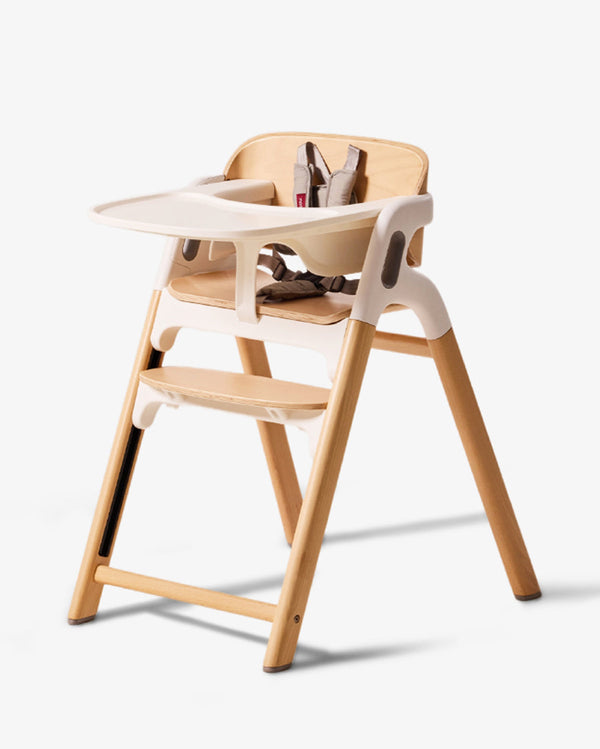
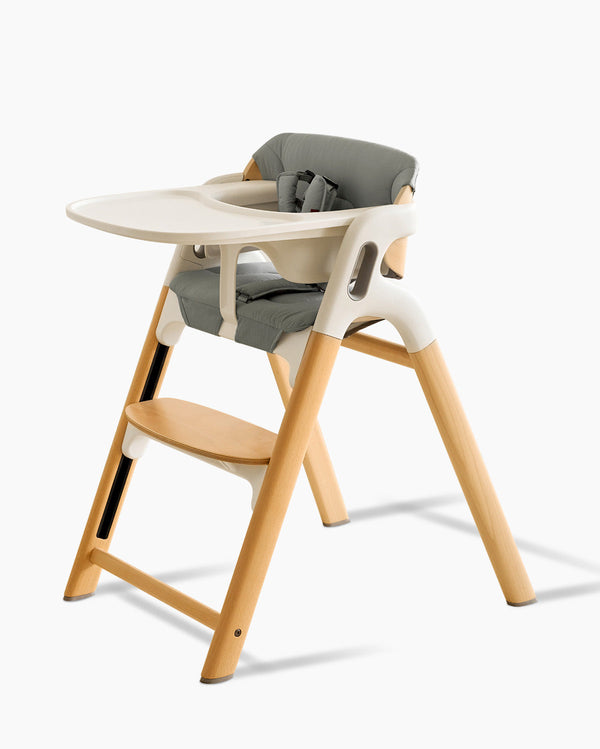
Al hacer la alimentación guiada por el bebé, tener una trona estable es lo más importante. Sentarse erguido ayuda a prevenir atragantamientos a la vez que genera comodidad con el tiempo. La postura correcta hace que comer se sienta natural.
Las tronas de Momcozy están diseñadas con:
-
Bases fuertes y estables.
-
Asiento ajustable para una postura erguida.
-
Sistemas de arnés seguros.
-
Superficies fáciles de limpiar.
Cuando los pequeños se sientan en una trona resistente como la trona Momcozy DinerPal, la hora de comer se siente más segura. Observarlos comer se vuelve más fácil cuando los cuidadores tienen ayuda de dispositivos de monitorización creados por Momcozy para los momentos cotidianos.
5 Modes
Safety Design
Lifelong Use
Ease of Cleaning
5 Modes
Safety Design
Lifelong Use
Ease of Cleaning
Reflexiones finales
Empezar con los sólidos se siente menos abrumador una vez que los cuidadores aprenden sobre la alimentación guiada por el bebé. Este enfoque no es rígido. En su lugar, crece prestando atención a las señales del niño. La confianza juega un papel importante aquí. También lo hace el momento adecuado. Una trona que apoye una buena postura hace que explorar la comida sea más fácil. Las comidas cambian cuando los adultos van más despacio. El descubrimiento se abre paso cuando la presión desaparece.
Centrarse en los momentos en lugar de en los hitos ayuda a dar sentido al BLW. Un día podría traer bocados entusiastas, otro podría implicar untar guisantes por toda la bandeja. El aprendizaje se presenta de muchas formas. El crecimiento a menudo se siente desordenado, a veces lento, pero cada interacción enseña algo nuevo. Estar allí sin presionar (listo para adaptarse) crea espacio para un progreso real. Con el tiempo, esos pequeños pasos se suman a una comodidad a largo plazo en las comidas.